Is Raw Fish Safe to Eat? Understanding the Risks and Benefits
Raw fish can be safe to eat when handled and prepared properly, but it carries certain risks such as bacterial infections, parasites, and foodborne illnesses. The safety depends on factors like freshness, source, freezing methods, and hygiene standards. Sushi-grade fish, frozen at very low temperatures to kill parasites, is commonly considered safe for raw consumption.
Eating raw fish matters because it presents potential health hazards if contaminated. Parasites like Anisakis, bacteria such as Salmonella or Vibrio, and viruses like norovirus can cause illness. However, raw fish is popular worldwide due to its delicate flavor and texture, especially in dishes like sashimi and ceviche. Understanding proper sourcing and preparation minimizes risks significantly.
This article will cover the key safety concerns associated with raw fish, including parasite risks, bacterial contamination, and proper freezing techniques. It will explain how to choose safe product sources, hygiene practices for preparation, and common symptoms of foodborne illness. Additionally, we’ll compare different types of raw fish and provide guidance on enjoying it safely at home or in restaurants.
Understanding Parasite Risks in Raw Fish

Types of Parasites Found in Raw Fish
Parasites such as Anisakis simplex and tapeworms (Diphyllobothrium spp.) are the most common in raw fish. These organisms can embed in muscle tissue and cause a parasitic infection called anisakiasis if ingested alive. Symptoms include abdominal pain, nausea, and vomiting. Parasites are prevalent in certain fish species like salmon, cod, and herring.
Not all parasites survive the typical freezing or cooking process. Commercial freezing at -20°C (-4°F) for at least 7 days effectively kills most parasites. Due to this, regulatory agencies often require fish intended for raw consumption to undergo such freezing to mitigate parasite risks.
- Anisakis simplex (roundworm)
- Diphyllobothrium (tapeworm)
- Clonorchis sinensis (Chinese liver fluke, rare in sushi fish)
Prevention Techniques for Parasites
Freezing fish to specific temperatures is the primary prevention method. The FDA recommends freezing at -20°C (-4°F) for 7 days, or flash freezing at even lower temperatures quicker. This process kills parasites but must be done before consumption as parasites can survive normal refrigeration.
Restaurant-grade or 'sushi-grade' fish usually undergoes approved freezing techniques. Additionally, visual inspection can help detect parasites, but microscopic examination is more reliable. Some chefs remove fish skin and viscera to reduce parasite exposure further.
- Freeze to FDA guidelines before consumption
- Use sushi-grade fish with parasite-killing treatment
- Inspect fish for visible parasites before serving
Bacterial Contamination Risks and Safety
Common Bacteria Found in Raw Fish
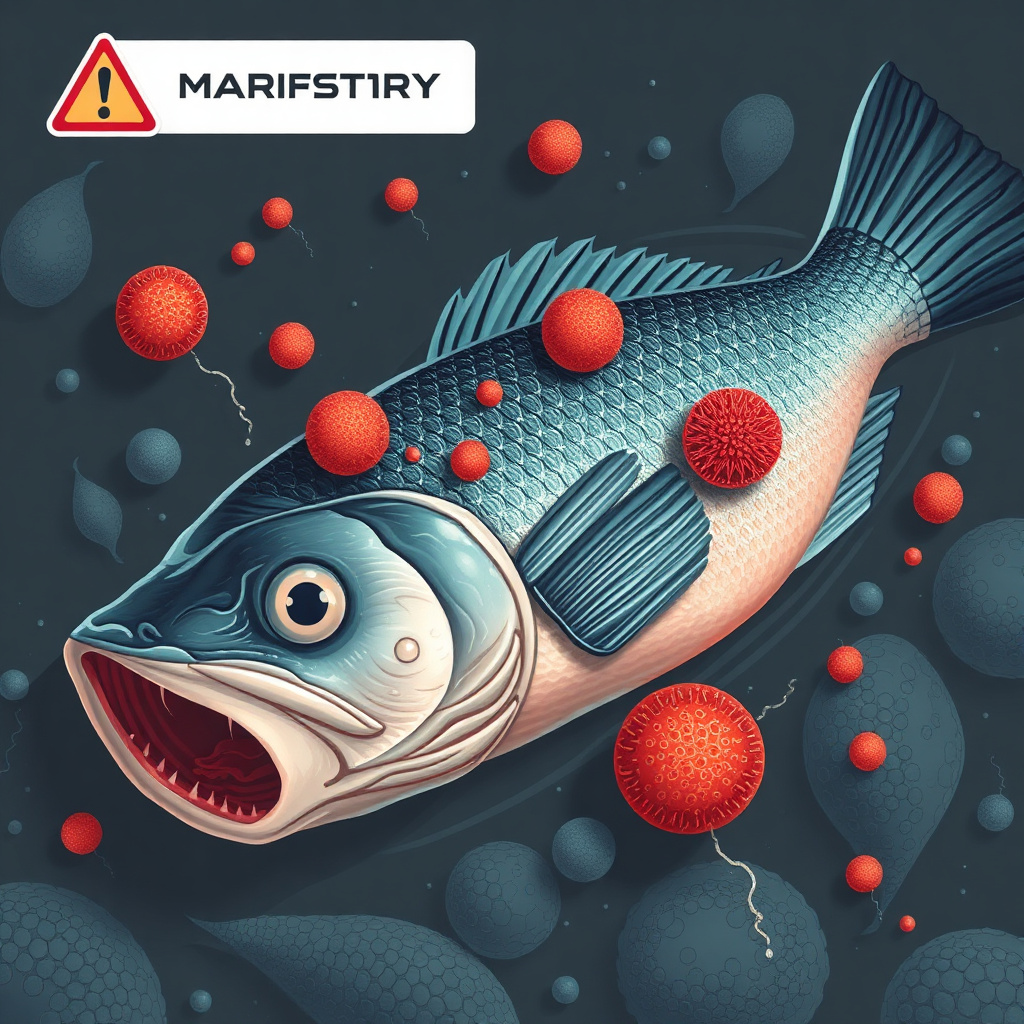
Raw fish may harbor harmful bacteria such as Vibrio, Salmonella, and Listeria monocytogenes. These bacteria can multiply rapidly if fish is stored improperly, leading to foodborne illnesses with symptoms ranging from diarrhea to severe systemic infection.
Vibrio species thrive in warm marine environments and can contaminate raw oysters or fish caught from coastal waters. Salmonella and Listeria contamination are often linked to processing or handling practices rather than the fish source itself.
- Vibrio vulnificus and Vibrio parahaemolyticus
- Salmonella enterica
- Listeria monocytogenes
Preventing Bacterial Contamination
Maintaining proper temperature control is essential. Raw fish should be stored below 4°C (40°F) and consumed quickly to prevent bacterial growth. Avoid cross-contamination by using clean utensils and surfaces dedicated to raw fish preparation.
Good hygiene practices during handling, such as washing hands and sanitizing equipment, drastically reduce bacterial risks. When dining out, select reputable restaurants that follow food safety protocols.
- Store fish at recommended refrigeration temperatures
- Use sanitized and separate cutting boards
- Consume raw fish soon after purchase
How Freezing Reduces Health Risks in Raw Fish
Freezing Standards for Sushi and Sashimi
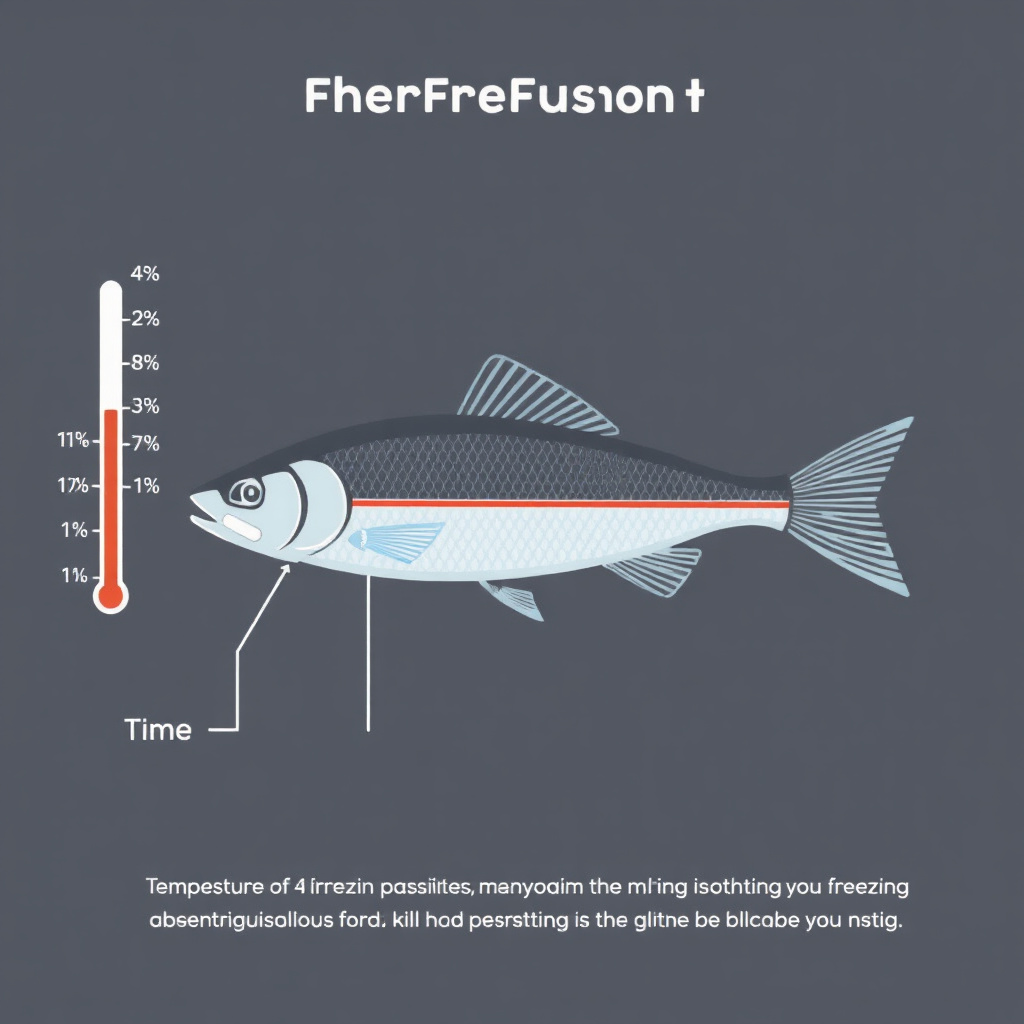
To be labeled 'sushi-grade', fish must be frozen at temperatures that effectively kill parasites, typically -20°C (-4°F) for 7 days or flash-frozen at -35°C (-31°F) for 15 hours. This standard comes from government food safety agencies to reduce anisakiasis risk.
These freezing steps must occur soon after catch to prevent parasite development. Commercial establishments usually rely on specialized freezers designed to meet these standards, though home freezing can be less reliable unless a deep freezer is used.
- Freeze at -20°C for at least 7 days
- Or flash freeze at -35°C for 15 hours
- Freeze immediately post-catch for effectiveness
For more on this, see our related guide: Is California Roll Safe for Pregnancy? What Expectant Moms Should Know.
Effectiveness and Limitations of Freezing
Freezing kills parasites but does not destroy bacteria or viruses present in raw fish. Therefore, freezing alone does not guarantee complete safety if contamination occurs post-freezing. Also, some toxins produced by bacteria remain active even after freezing.
Consumers should still follow safe handling practices even with frozen fish. Visual inspection and sourcing from trusted suppliers remain important. Freezing does represent one of the most reliable barriers against parasites in raw fish consumption.
- Does not eliminate bacterial or viral contamination
- Parasite-killing efficacy depends on proper freezing protocols
- Safe handling necessary post-thawing
Choosing Safe Sources for Raw Fish

Understanding Sushi-Grade and Certified Fish
'Sushi-grade' is an informal term indicating fish safe for raw consumption. It often signifies fish that has been frozen by approved methods and inspected for parasites. Certifications from regulatory bodies may accompany these products, offering additional assurance.
Reliable seafood suppliers adhere to traceability standards, provide documentation of freezing procedures, and maintain strict hygiene. Buying from reputable retailers or specialized fishmongers increases chances of obtaining safe fish fit for raw eating.
- Look for sushi-grade or sashimi-grade labels
- Verify supplier documentation and certifications
- Prefer wild-caught or farmed fish from established sources
Avoiding Risky Fish Types and Conditions
Certain fish species have higher parasite risks or accumulate toxins, such as pufferfish or freshwater fish. Avoid eating raw freshwater fish in most cases. Also, do not eat fish that looks dull, smells off, or has damaged packaging as freshness directly impacts safety.
If you have a weakened immune system or are pregnant, it is advisable to avoid raw fish altogether as sensitivity to infections is higher. Consult health professionals before including raw seafood in your diet under those conditions.
- Avoid freshwater and high-risk fish species
- Check for signs of freshness: firm flesh, no off-odors
- Immunocompromised individuals should avoid raw fish
Preparing Raw Fish Safely at Home

Sanitation and Hygiene Best Practices
Thoroughly clean cutting boards, knives, and utensils prior to preparation. Wash hands frequently to prevent cross-contamination. Keep raw fish separate from other foods to avoid bacterial transfer, especially from raw meat or poultry.
Consider using separate designated tools exclusively for raw fish. Keep the preparation area sanitized with food-safe disinfectants. Rinse fish under cold water and pat dry with paper towels before slicing.
- Use separate cutting boards for raw fish
- Wash hands before and after handling fish
- Sanitize surfaces and utensils thoroughly
For more on this, see our related guide: Can You Microwave Sushi? Safe Practices and Tips Explained.
Serving and Storage Tips for Raw Fish
Serve raw fish promptly after cutting to minimize time at unsafe temperatures. If storing, refrigerate immediately in sealed containers at below 4°C (40°F). Consume within 24 hours of purchase for best safety and quality.
Avoid leaving raw fish out for prolonged periods, especially in warm environments. When in doubt, it's safer to cook fish to recommended temperatures to destroy pathogens.
- Refrigerate raw fish immediately after preparation
- Consume within one day for freshness and safety
- Never leave raw fish out at room temperature for hours
Recognizing and Responding to Raw Fish-Related Illness

Symptoms of Fish-Borne Parasite and Bacterial Infections
Symptoms can appear within hours or days after eating contaminated raw fish. Parasite infections often cause sharp abdominal pain, nausea, and sometimes allergic reactions. Bacterial infections may lead to diarrhea, fever, vomiting, and dehydration.
Certain infections like Vibrio vulnificus can cause wound infections if skin is broken and exposed to contaminated fish. Prompt identification of symptoms and medical attention is essential for serious cases.
- Abdominal cramps and pain
- Nausea and vomiting
- Diarrhea and fever
- Allergic reactions (in rare cases)
For more details about common parasites found in raw fish, consult the Anisakis parasite information on Wikipedia. Anisakis parasite information.
What to Do If You Suspect Illness
If symptoms develop after consuming raw fish, seek medical advice immediately, especially if severe or persistent. Inform healthcare providers about recent raw fish consumption for accurate diagnosis and treatment guidance.
Stay hydrated and avoid self-medicating. Prevent spread by practicing good hygiene and discarding any remaining fish. Early intervention can reduce complications and promote faster recovery.
- Contact a healthcare professional promptly
- Provide accurate dietary history
- Maintain hydration and avoid risk behaviors
Raw Fish Safety: Freezing Methods and Risk Mitigation Comparison
This table compares key freezing methods for raw fish and their effectiveness in reducing parasite risks and other safety considerations.
| Freezing Method | Temperature | Duration | Parasite Killing Effectiveness | Limitations |
|---|---|---|---|---|
| Standard Freezing | -20°C (-4°F) | 7 days | High | Requires proper equipment, slow process |
| Flash Freezing | -35°C (-31°F) | 15 hours | Very High | Needs specialized freezers, costly |
| Home Freezing | -18°C (0°F) | Varies | Variable | Often insufficient to kill parasites reliably |
| No Freezing (Fresh) | Refrigeration (~4°C) | N/A | None | High risk of parasites and bacterial growth |
| Cooked Fish | Varies (≥63°C / 145°F) | Varies | Complete | Alters texture and flavor, not raw |
Frequently Asked Questions
Can freezing fish completely eliminate all health risks of eating it raw?
Freezing fish at recommended temperatures kills parasites effectively but does not remove bacteria or viruses. Proper handling and hygiene practices are also needed to reduce overall health risks.
Is sushi-grade fish always safe to eat raw?
Sushi-grade fish meets standards for parasite control through freezing but safety also depends on sourcing, handling, and freshness. Always buy from reputable suppliers.
What signs indicate raw fish might be unsafe to eat?
Unsafe raw fish may have an off-putting smell, slimy texture, discoloration, or damaged packaging. Freshness is critical for safety.
Who should avoid eating raw fish altogether?
Pregnant women, young children, elderly, and immunocompromised individuals should avoid raw fish due to higher risk of infection.
Can I prepare raw fish safely at home?
Yes, by following strict hygiene, storing fish properly, using separate utensils, and sourcing sushi-grade frozen fish, you can reduce risks significantly.
Key Takeaways
- Raw fish safety relies heavily on proper freezing to kill parasites.
- Bacterial contamination risks require strict hygiene and storage protocols.
- Choosing reputable, sushi-grade suppliers reduces health risks.
- Pregnant and immunocompromised people should avoid raw fish.
Conclusion
When deciding if raw fish is safe to eat, the primary factors are how the fish was sourced, handled, frozen, and prepared. Knowing whether the fish meets established freezing guidelines assures parasite control, while hygiene safeguards limit bacterial risks. Raw fish should always be treated as a food requiring care and attention to storage temperatures and cross-contamination avoidance. Understanding these factors helps consumers enjoy raw fish more safely by reducing illness risks.
For individuals comfortable with raw fish, opting for sushi-grade products offers peace of mind due to their mandatory parasite-free certification via freezing methods such as flash freezing or extended deep freezing. Freshwater fish should be avoided raw since parasites are harder to control. Also, people with compromised immunity or sensitive health conditions should not consume raw fish due to more severe potential consequences from infections. When buying raw fish, inspection for freshness and reputable sources are key layers of safety.
To safely enjoy raw fish at home, purchase frozen sushi-grade fish and follow strict cleanliness and refrigeration practices. If uncertain of quality or freshness, cooking fish thoroughly is a safer choice. For those new to raw seafood, visiting trusted restaurants that adhere to regulatory standards and preparing raw fish only occasionally mitigates risk most effectively. Regularly checking for symptoms after consumption and seeking medical care if needed provides additional protection. This careful approach enables enjoyment while managing health concerns related to raw fish.