Is Imitation Crab Healthy? A Nutritional Breakdown You Should Know
Imitation crab is not inherently unhealthy, but its healthiness depends on your dietary needs and how often you consume it. Unlike real crab meat, imitation crab is typically made from processed white fish, such as pollock, combined with starch, sugar, sodium, and additives. It offers some protein but less omega-3 fatty acids and vitamins found in real crab.
Many people choose imitation crab for its affordability and long shelf life, but it does come with higher sodium and carbohydrate content. Understanding its nutritional profile compared to genuine crab provides clarity on whether it suits your diet.
This article breaks down imitation crab’s nutrition facts, examines health benefits and potential drawbacks, discusses how it compares to real seafood, and offers practical tips on incorporating imitation crab safely into your meals.
Understanding Imitation Crab Composition and Ingredients

What is Imitation Crab Made Of?
Imitation crab, also known as surimi, is mostly made from minced white fish like Alaskan pollock. This fish paste is flavored, colored with carmine or paprika to mimic real crab meat, and bound together with starch and egg whites or other binders.
Additional ingredients often include sugar, salt, and monosodium glutamate (MSG) to enhance taste. Because it is a processed product, exact formulations vary by brand, but the primary component remains fish protein.
Common Additives and Their Impact
Additives like starches thicken or improve texture but contribute carbohydrates. Sodium preservers can elevate salt content, which might be concerning for people watching their sodium intake.
Artificial colors give imitation crab its appealing pink hue but provide no nutritional value. Some varieties include flavor enhancers that may cause sensitivities in individuals sensitive to MSG.
- Starches add carbs
- Sodium levels are higher than in real crab
- Artificial coloring for appearance
- Possible flavor enhancers like MSG
Nutritional Profile of Imitation Crab Compared

Calories, Protein, and Fat Content
Per 100 grams, imitation crab provides about 95 calories and roughly 7 grams of protein. Its fat content is low, typically under 1 gram, making it a low-fat protein source.
However, compared to real crab meat which offers around 18 grams of protein and more healthy fats, imitation crab protein levels are noticeably lower due to fillers and starch additives.
Sodium, Carbohydrates, and Other Nutrients
Imitation crab has significantly higher sodium than fresh crab, often over 600 mg per 100 grams, which can add up quickly when consumed in large quantities.
It also contains 15-20 grams of carbohydrates due to starches used for texture. Other micronutrients like omega-3s, vitamin B12, and minerals are lower compared to authentic crab meat.
- Sodium may exceed 600 mg/100g
- Contains 15-20g carbohydrates
- Limited omega-3 fatty acids
- Lower vitamin and mineral content
Health Benefits of Imitation Crab

A Low-Fat Source of Protein
For people looking for lean protein options without much fat, imitation crab can be a suitable choice. Its modest calorie count and fat content support weight management when consumed moderately.
It also offers a seafood alternative for those who cannot afford or access fresh crab regularly but want some fish protein in their diet.
For more on this, see our related guide: Is California Roll Healthy? A Nutritional Breakdown and Guide.
Convenience and Versatility
Imitation crab’s long shelf life, pre-cooked status, and mild flavor make it an easy ingredient for salads, sushi, and quick meals.
Its accessibility in many supermarkets means people can add seafood flavors to dishes without complex preparation or cooking time.
Potential Drawbacks of Eating Imitation Crab

High Sodium and Additives
The elevated sodium content can pose risks for individuals with hypertension or those monitoring salt intake. Frequent consumption may contribute to increased blood pressure concerns.
The use of additives such as starch, sugar, and artificial colors also makes imitation crab less pure nutritionally than fresh seafood.
- Increased sodium intake risk
- Presence of sugar and carbohydrates
- Artificial ingredients affecting purity
Allergen and Dietary Restrictions
Though imitation crab contains fish, it may also include traces of shellfish or egg proteins from binders, which could trigger allergic reactions in sensitive people.
People avoiding highly processed foods or those on ketogenic or low-carb diets might find imitation crab unsuitable due to added starches and carbs.
Comparing Imitation Crab with Real Crab and Other Seafood

Nutritional and Taste Differences
Real crab is richer in protein, omega-3 fatty acids, vitamins like B12, and minerals such as zinc and selenium, all essential for health. It offers a more natural flavor and texture but at a higher cost.
Imitation crab mimics taste and texture but with lower nutrient density and more processing, making it less nutritious overall though still a practical, budget-friendly alternative.
For more on this, see our related guide: Is Sushi Healthy? Exploring the Nutritional Benefits and Risks.
Sustainability and Price Factors
Imitation crab often uses fish from sustainable pollock fisheries, which can be more environmentally friendly than some overfished crab species.
Its significantly lower price and longer shelf stability make it an attractive choice for budget-conscious consumers and for reducing seafood waste.
- Pollock sourcing may be sustainable
- Lower cost compared to real crab
- Longer shelf life reduces waste
How to Incorporate Imitation Crab into a Balanced Diet
Moderation and Meal Variety
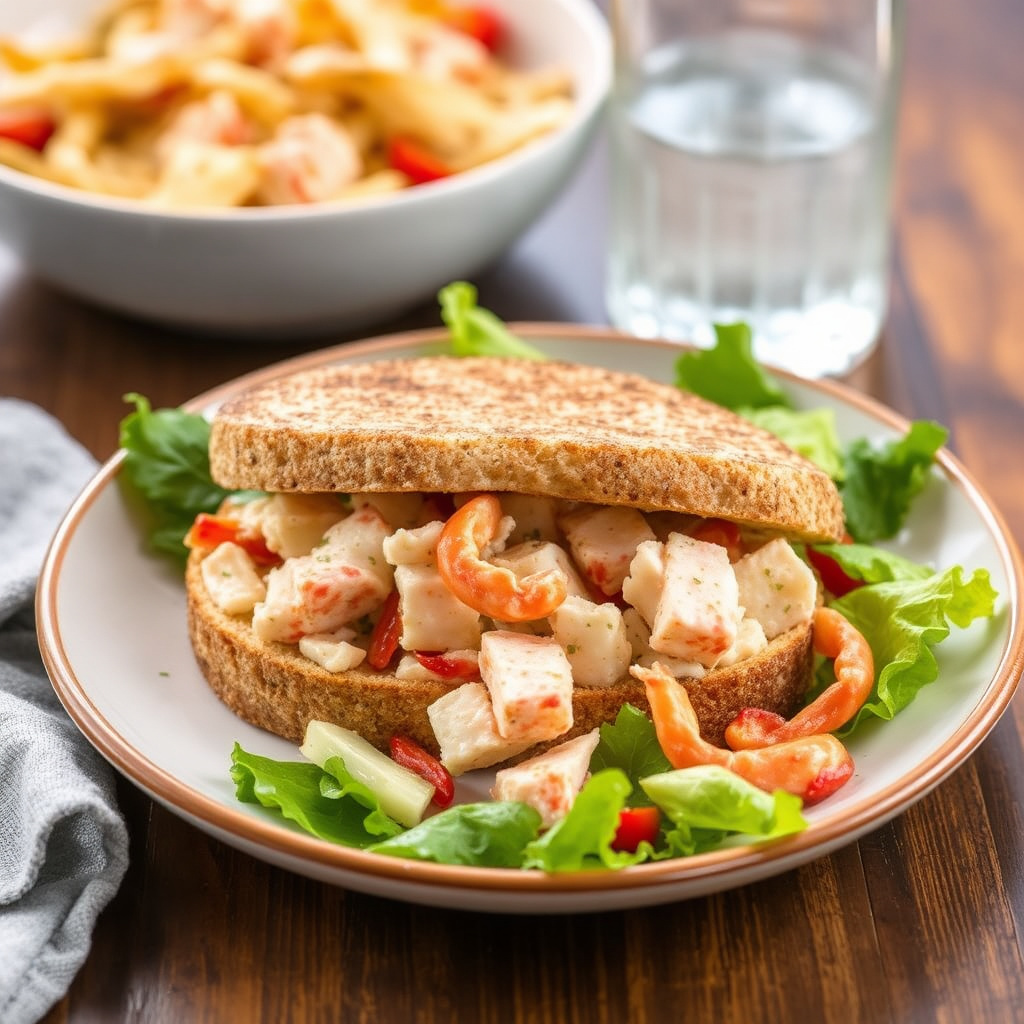
Including imitation crab occasionally in salads, sushi rolls, or pasta dishes can add seafood flavor without excessive cost or effort. Balancing it with fresh vegetables and whole grains improves overall meal nutrition.
Avoid relying solely on imitation crab for seafood protein; pair it with options rich in omega-3 such as canned sardines, salmon, or fresh crab when possible.
For a detailed explanation of imitation crab and its origins, refer to the Surimi article on Wikipedia. Surimi on Wikipedia.
Reducing Sodium and Additive Exposure
Rinsing imitation crab under cold water before eating can lower sodium content slightly. Choosing brands with fewer additives or lower sodium versions also helps.
Reading ingredient labels carefully enables consumers to select products that fit their dietary preferences and minimize unwanted chemicals.
- Rinse to reduce surface salt
- Select low-sodium, minimal additive brands
- Read nutrition labels thoroughly
Imitation Crab vs. Real Crab vs. Other Seafood: Nutritional and Practical Comparison
This table compares nutritional content, cost, and other key factors among imitation crab, real crab, and common seafood alternatives.
| Category | Protein (g/100g) | Fat (g/100g) | Sodium (mg/100g) | Carbs (g/100g) | Typical Price per lb | Shelf Life |
|---|---|---|---|---|---|---|
| Imitation Crab | 7 | 0.5 | 650 | 18 | $5-7 | Several weeks, refrigerated |
| Real Crab | 18 | 1.5 | 300 | 0 | $15-25 | Few days, refrigerated |
| Canned Tuna | 25 | 1 | 350 | 0 | $6-8 | Years, canned |
| Salmon Fillet | 20 | 13 | 60 | 0 | $10-15 | 1-2 days, refrigerated |
| Pollock Fillet | 17 | 1 | 55 | 0 | $7-9 | 1 week, refrigerated |
Frequently Asked Questions
Is imitation crab a good source of protein?
Imitation crab provides moderate protein, around 7 grams per 100 grams, making it a reasonable, low-fat protein option though less than real crab or other fish.
Does imitation crab contain real crab meat?
Typically, imitation crab contains little to no real crab meat; it is mainly made from processed white fish flavored to resemble crab.
Is imitation crab high in sodium?
Yes, imitation crab often has elevated sodium levels due to added salt and preservatives, so people monitoring sodium should consume it in moderation.
Can people with shellfish allergies eat imitation crab?
While usually made from fish, imitation crab may contain trace shellfish or egg proteins, so those with severe shellfish allergies should be cautious.
How does imitation crab compare nutritionally to real crab?
Imitation crab has fewer proteins, lower omega-3 fatty acids, and higher carbohydrates and sodium compared to nutrient-rich real crab.
Key Takeaways
- Imitation crab is a processed fish product offering moderate protein with low fat.
- It contains higher sodium and carbohydrates than real crab due to additives.
- While less nutritious than fresh crab, imitation crab is affordable and convenient.
- Moderation and label reading help manage sodium and additive intake.
Conclusion
Deciding whether imitation crab is healthy largely depends on your dietary priorities and lifestyle. It presents a low-fat protein alternative with accessible cost and convenience. However, its increased sodium and carbohydrate content from added starches and preservatives reduce its overall nutritional quality compared to fresh crab or other seafood.
For those seeking budget-friendly seafood options with modest protein, imitation crab works well when balanced with nutrient-rich foods. Nutrition-conscious consumers should consider fresh crab or oily fish like salmon for higher omega-3 and vitamin content. Occasional use of imitation crab in salads or sushi can diversify meals without excessive cost or preparation time.
If incorporating imitation crab into your diet, moderate consumption coupled with attention to labels for sodium and additives is advisable. Trying to balance it alongside more nutrient-dense seafood and whole foods can help maintain a well-rounded, healthful eating pattern.


