What Is Sweet and Sour Sauce Made Of? A Detailed Ingredient Guide
Sweet and sour sauce is typically made from a combination of sugar, vinegar, and tomato-based ingredients like ketchup or paste, often blended with soy sauce and sometimes pineapple juice to achieve its iconic tangy yet sweet flavor. These core ingredients balance each other to create the distinctive taste that pairs well with dishes like fried chicken or spring rolls.
The sauce’s appeal lies in its unique harmony between sweetness and acidity, which acts as a perfect complement to fried or grilled dishes by cutting through their richness. Variations of sweet and sour sauce can change the flavor profile based on regional preferences or specific recipes but generally maintain these fundamental elements.
This article will break down the common ingredients found in sweet and sour sauce, explain how each contributes to the overall flavor, and discuss typical preparation methods. Additionally, it will explore popular variations and tips for making your own homemade version.
Basic Ingredients in Sweet and Sour Sauce
The Role of Sweeteners
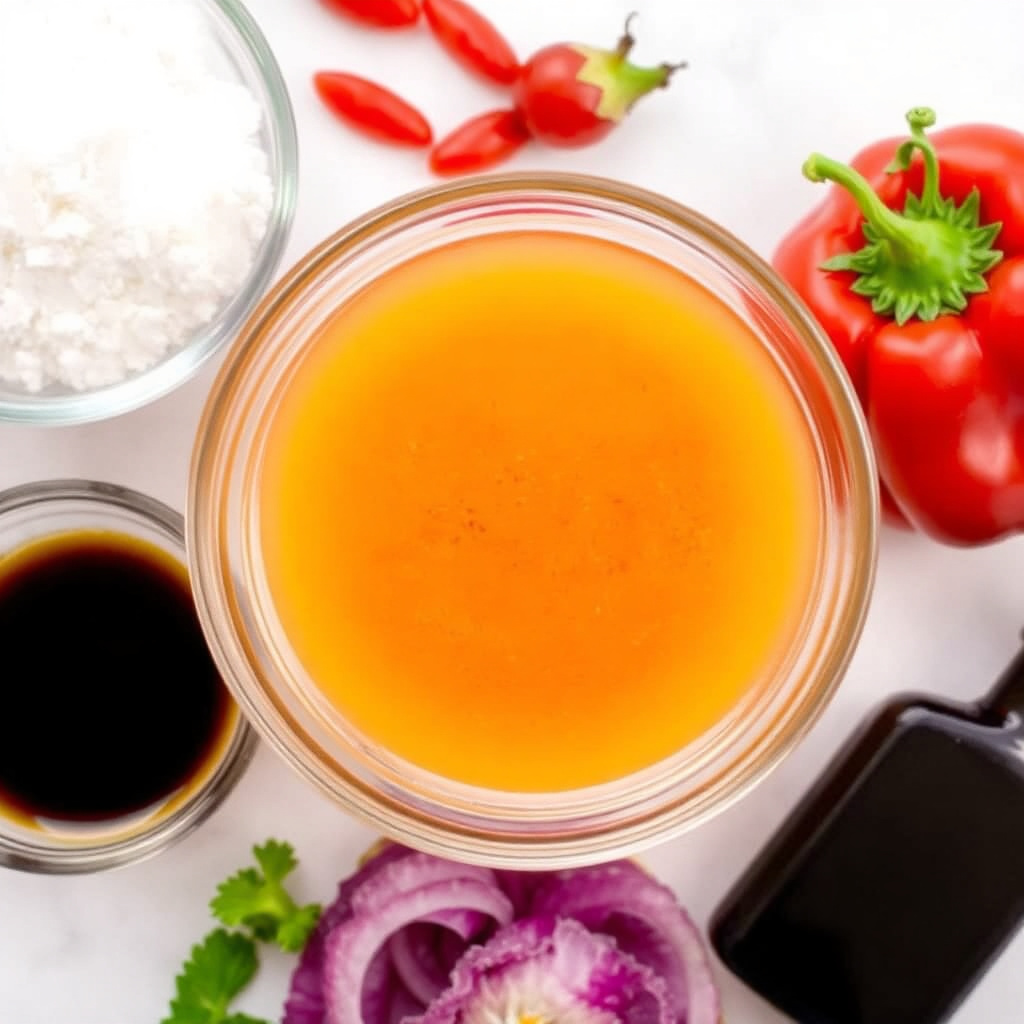
Sugar is the most common sweetener in sweet and sour sauce, providing the essential sweetness that balances out the acidity. White granulated sugar or brown sugar are frequently used, each adding subtle differences in flavor depth and color.
Other sweeteners like honey or pineapple juice can replace or complement sugar, lending a natural sweetness and mild fruity undertone to the sauce. These choices impact the final texture and can make the sauce smoother and more vibrant.
- White sugar
- Brown sugar
- Honey
- Pineapple juice
Acidic Components
Vinegar is the primary acidic ingredient in sweet and sour sauce, with white vinegar or rice vinegar being the most popular. It delivers a sharp tanginess that cuts through the sweetness, balancing the overall flavor profile.
Sometimes lemon juice or lime juice is added for an additional fresh acidity, enhancing the brightness of the sauce. The exact choice of acid can subtly change the taste and aroma of the finished product.
- White vinegar
- Rice vinegar
- Lemon juice
- Lime juice
Flavor Enhancers and Thickening Agents
Umami and Depth from Soy Sauce
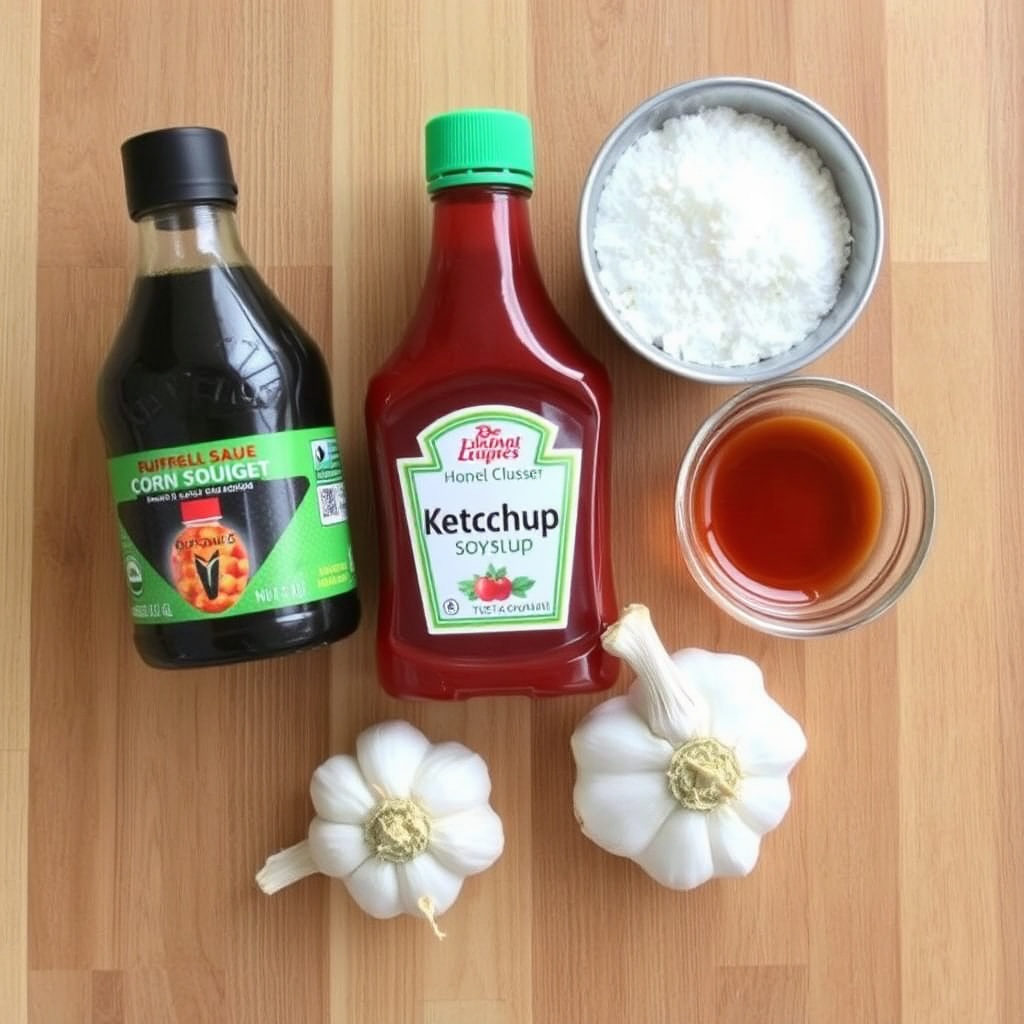
Soy sauce introduces a salty, umami flavor that rounds out the sauce’s sweetness and acidity. It also adds a savory depth that complements meat or vegetable dishes served with sweet and sour sauce.
Depending on the recipe, light or dark soy sauce can be used, impacting both flavor and color. Dark soy sauce generally offers more richness and intensity, while light soy sauce remains lighter and less overpowering.
- Light soy sauce
- Dark soy sauce
For more on this, see our related guide: What is General Tso Sauce Made Of? A Complete Ingredient Breakdown.
Thickening with Cornstarch
Cornstarch is commonly mixed with water to create a slurry, then added to the sauce to achieve the desirable viscous, glossy texture that clings well to food. The thickening stage is essential for properly finishing sweet and sour sauce.
Alternative thickeners like arrowroot or potato starch can also be used in recipes targeting different dietary needs or aiming for a slightly different texture. The thickener contributes to the overall mouthfeel but doesn’t affect flavor significantly.
- Cornstarch slurry
- Arrowroot
- Potato starch
Common Variations in Sweet and Sour Sauce Recipes
Fruit-Based Variations
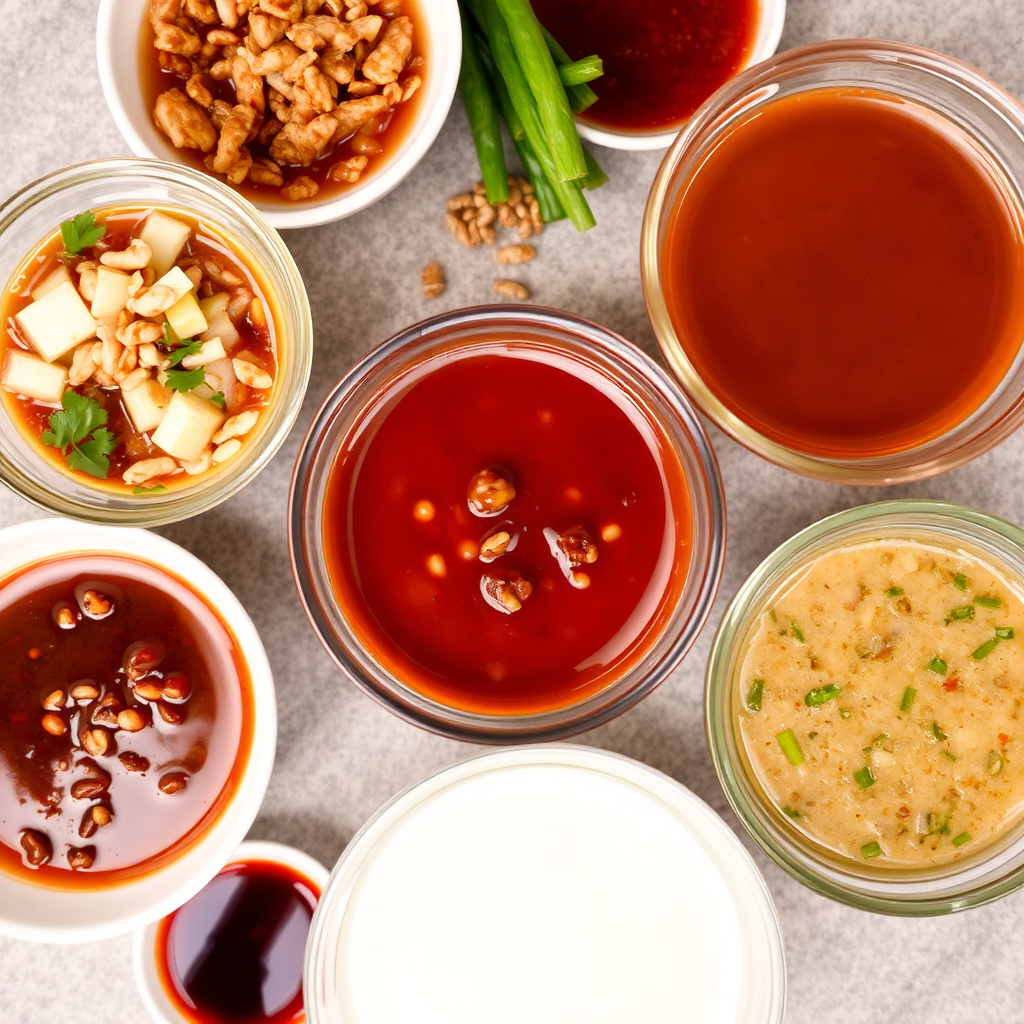
Some sweet and sour sauces incorporate fruit purees or juices such as pineapple, orange, or apricot for extra sweetness and fruity aroma. These ingredients can brighten the sauce's profile and add layers of complexity.
Pineapple is particularly popular in many Asian-inspired recipes, providing both sweetness and subtle acidity, which enhances the sauce’s balance and pairs beautifully with pork or chicken dishes.
- Pineapple juice or chunks
- Orange juice
- Apricot preserves
Spices and Additional Flavor Notes
Garlic, ginger, and chili flakes are often added for warmth and a mild spicy kick in some sweet and sour sauce recipes, offering more complexity and depth to the sauce’s otherwise simple flavor base.
These spices elevate the sauce from basic to more gourmet, allowing it to be customized for various taste preferences and culinary styles—from mild to bold and vibrant.
- Garlic
- Ginger
- Chili flakes
How to Make Sweet and Sour Sauce at Home
Basic Preparation Steps
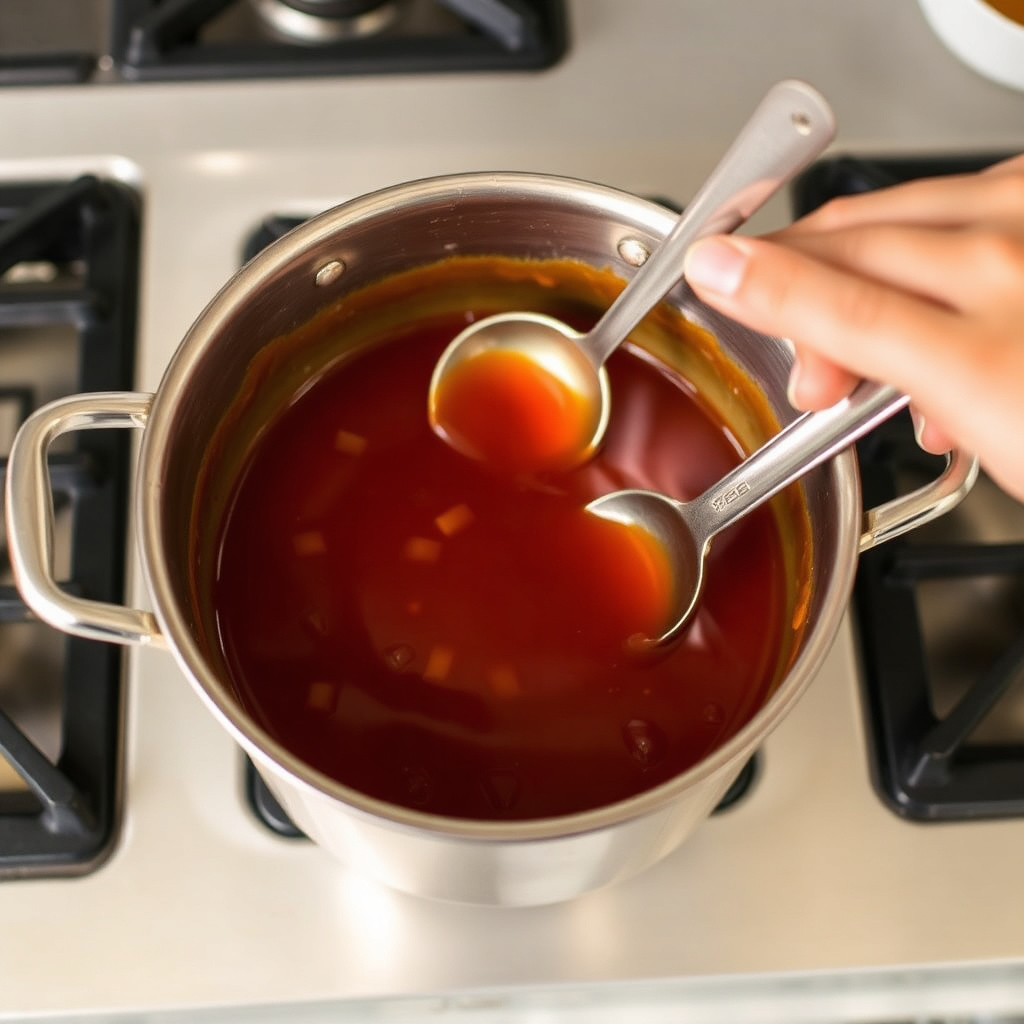
Start by combining sugar, vinegar, ketchup, and soy sauce in a saucepan over medium heat. Stir until sugar dissolves. Add any fruit juices or spices depending on your recipe, then bring to a gentle boil.
Gradually whisk in the cornstarch slurry to thicken the mixture, cooking until the sauce reaches the desired consistency. Adjust sweetness or acidity by adding more sugar or vinegar to suit your taste.
For more on this, see our related guide: What Is in Egg Rolls? Understanding Their Classic and Varied Fillings.
Storage and Usage Tips
Homemade sweet and sour sauce keeps well refrigerated in a sealed container for up to two weeks. Reheat gently before serving, stirring well to restore texture.
It pairs well with fried, grilled, or steamed dishes, and can be an excellent dip or a glaze. Customizing ingredients allows you to tailor it for different cuisines and dishes.
Sweet and Sour Sauce in Culinary Traditions
Chinese Cuisine Origins
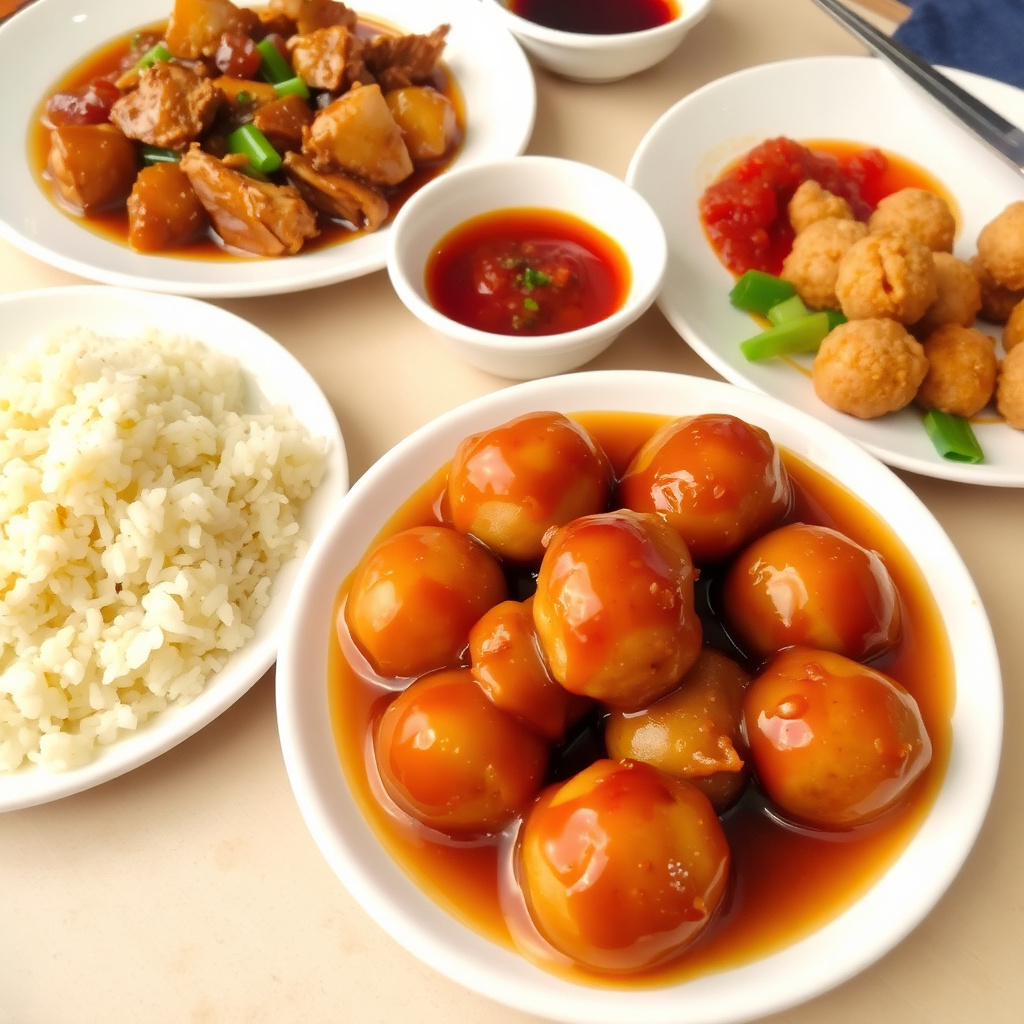
Sweet and sour sauce has long been a staple in Chinese cooking, particularly in Cantonese cuisine. It highlights the contrast between tastes, a key principle in Chinese flavor balancing.
Recipes vary by region, but the classic combination of sweetness from sugar and acidity from vinegar remains constant, often paired with pork or chicken for popular dishes like sweet and sour pork.
For more detailed history and variations of sweet and sour sauce, you can visit the Sweet and sour sauce on Wikipedia. Sweet and sour sauce on Wikipedia.
Global Adaptations and Uses
Influenced by Chinese immigration and fusion cuisines, sweet and sour sauce has spread globally, inspiring variations across Southeast Asia, America, and Europe, adapting to local ingredients and palates.
Its versatility has made it a favorite dipping sauce in fast food and casual dining, proving the long-lasting appeal of the sweet and sour flavor profile.
Sweet and Sour Sauce Category Comparison
Here’s a comparison of common sweet and sour sauce types to help you understand their differences and uses.
| Category | Primary Sweetener | Key Acid | Typical Use |
|---|---|---|---|
| Classic Chinese | White sugar | White vinegar | Sweet and sour pork, chicken dishes |
| Fruit-Infused | Pineapple juice | Rice vinegar | Glazes, dipping sauces |
| Spicy Variation | Brown sugar | Lemon juice | Spicy fried dishes |
| Homemade Simple | Granulated sugar | White vinegar | General cooking and dipping |
| Commercial Bottle | Corn syrup | Distilled vinegar | Fast food, convenience use |
Frequently Asked Questions
Is sweet and sour sauce always made with ketchup?
Most sweet and sour sauce recipes include ketchup or tomato paste to add sweetness, color, and a rich base, but some may omit it in favor of fruit juices or other tomato products.
Can I make sweet and sour sauce without vinegar?
Vinegar is essential for the characteristic tang. However, lemon or lime juice can sometimes substitute, though the flavor will differ slightly.
What thickens sweet and sour sauce?
Cornstarch is commonly used to thicken sweet and sour sauce, giving it a shiny, clingy texture that coats food evenly.
Is sweet and sour sauce vegetarian?
Most sweet and sour sauces are vegetarian since they are made from sugar, vinegar, and plant-based ingredients, but always check labels for added animal products in commercial sauces.
How long does homemade sweet and sour sauce keep?
Stored in a sealed container in the refrigerator, homemade sweet and sour sauce lasts up to two weeks.
Key Takeaways
- Sweet and sour sauce is made from sugar, vinegar, ketchup, and soy sauce.
- Variations include fruit juices and spices to enhance flavor.
- Cornstarch thickens the sauce for a glossy texture.
- It originated in Chinese cuisine and has global variations.
Conclusion
Understanding what sweet and sour sauce is made of simplifies choosing or making a version that suits your taste. The balance between sugar and vinegar forms the core profile, enhanced by tomato, soy sauce, and often fruit juices or spices. This mix creates the unique sweet and tangy contrast that defines the sauce and complements many dishes.
If you want a straightforward, classic flavor, a basic recipe with white sugar, white vinegar, ketchup, and soy sauce works well. For a fruitier touch, incorporate pineapple juice or orange marmalade. Those seeking a slight spicy edge can add ginger or chili flakes. Whether you prefer making it from scratch or selecting a commercial bottle, knowing the ingredients helps tailor your choice for specific meals or flavor preferences.
Next time you prepare a stir-fry, dip spring rolls, or glaze roasted meat, try making your own sweet and sour sauce using these ingredient insights. Experiment with ratios and additions to find your favorite balance. A homemade sauce offers fresh flavor and control over sweetness and acidity, elevating your dishes beyond what store-bought versions can achieve.