How to Make Singapore Rice Noodles: A Step-by-Step Guide
Singapore rice noodles are a popular stir-fried dish known for their vibrant flavors and satisfying texture. Making Singapore rice noodles at home involves using thin rice vermicelli noodles stir-fried with curry powder, vegetables, shrimp, and sometimes pork or chicken. The result is a colorful and aromatic plate that balances spice, sweetness, and savoriness.
This dish stands out because of its use of curry powder, lending it a signature yellow hue and warm, complex flavor. Its combination of ingredients can be varied to suit taste or dietary preferences, making it a versatile option for home cooks looking to replicate restaurant-style meals in their own kitchen.
In this article, we'll cover the essential ingredients, preparation techniques, and cooking steps required to make authentic Singapore rice noodles. You'll also find tips for customizing the recipe and pairing suggestions to complete your meal.
Choosing the Right Ingredients for Singapore Rice Noodles

Selecting the Rice Vermicelli
Rice vermicelli noodles are the foundation of Singapore rice noodles. Thin and delicate, they cook quickly and absorb flavors well. Dry rice vermicelli is widely available and should be soaked in warm water before stir-frying to soften without becoming mushy.
Fresh rice vermicelli offers a softer texture but can be harder to find. If using dried noodles, soak them for about 10-15 minutes until pliable, then drain thoroughly. Over-soaking or overcooking will cause noodles to break during stir-frying.
- Choose thin rice vermicelli noodles
- Soak dried noodles in warm water for 10-15 minutes
- Drain well to prevent sogginess
Core Flavor Components
The curry powder defines Singapore rice noodles with its vibrant yellow color and mildly spicy warmth. Using a good-quality curry powder without overpowering heat is key. Traditional recipes often include turmeric and coriander-based blends.
Additional seasonings typically include garlic, soy sauce, oyster sauce, and sometimes chili paste. Balancing these flavors ensures the dish is flavorful but not overly salty or spicy.
- Use high-quality curry powder
- Balance with soy sauce and oyster sauce
- Add garlic and mild chili for depth
Preparing Protein and Vegetables
Selecting and Preparing Protein
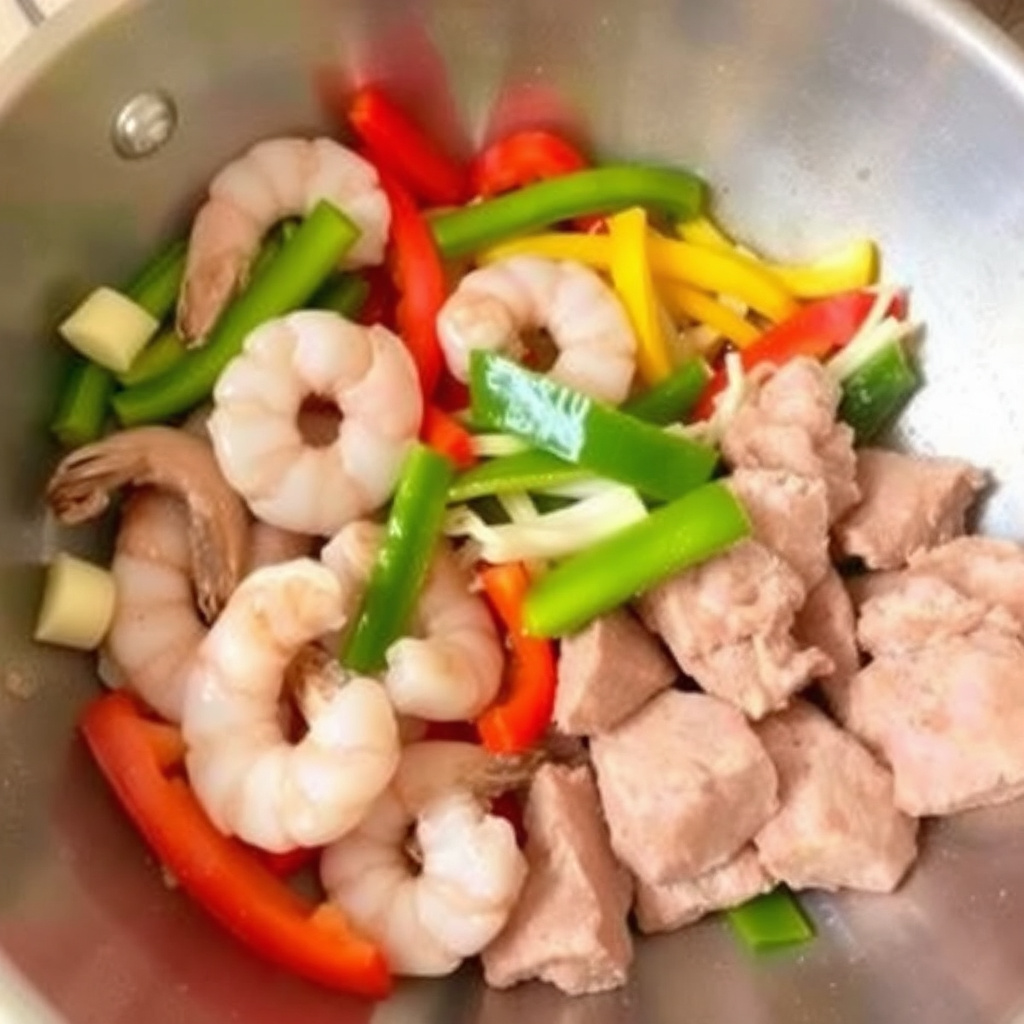
Shrimp is the most common protein in Singapore rice noodles, offering a sweet and succulent element. Pork or chicken can be thinly sliced and cooked alongside shrimp to add richness. For vegetarian versions, tofu or extra vegetables work well.
Before cooking, marinate the proteins briefly in soy sauce, a splash of sesame oil, and white pepper. This adds seasoning and tenderizes without overshadowing the curry’s flavor.
- Use fresh shrimp or lean pork/chicken
- Marinate lightly with soy sauce and sesame oil
- Consider tofu for a vegetarian option
Choosing Vegetables
Common vegetables include bell peppers, green onions, carrots, and bean sprouts which add crunch, color, and freshness. Vegetables should be sliced thin to cook quickly and retain texture during stir-frying.
Adding aromatics like garlic and shallots with the vegetables helps layer the flavors further without complicating the recipe.
- Slice vegetables thinly for even cooking
- Include crunchy options like bean sprouts and bell peppers
- Add garlic and shallots for aroma
Cooking Techniques for Perfect Singapore Rice Noodles
Proper Stir-Frying Methods
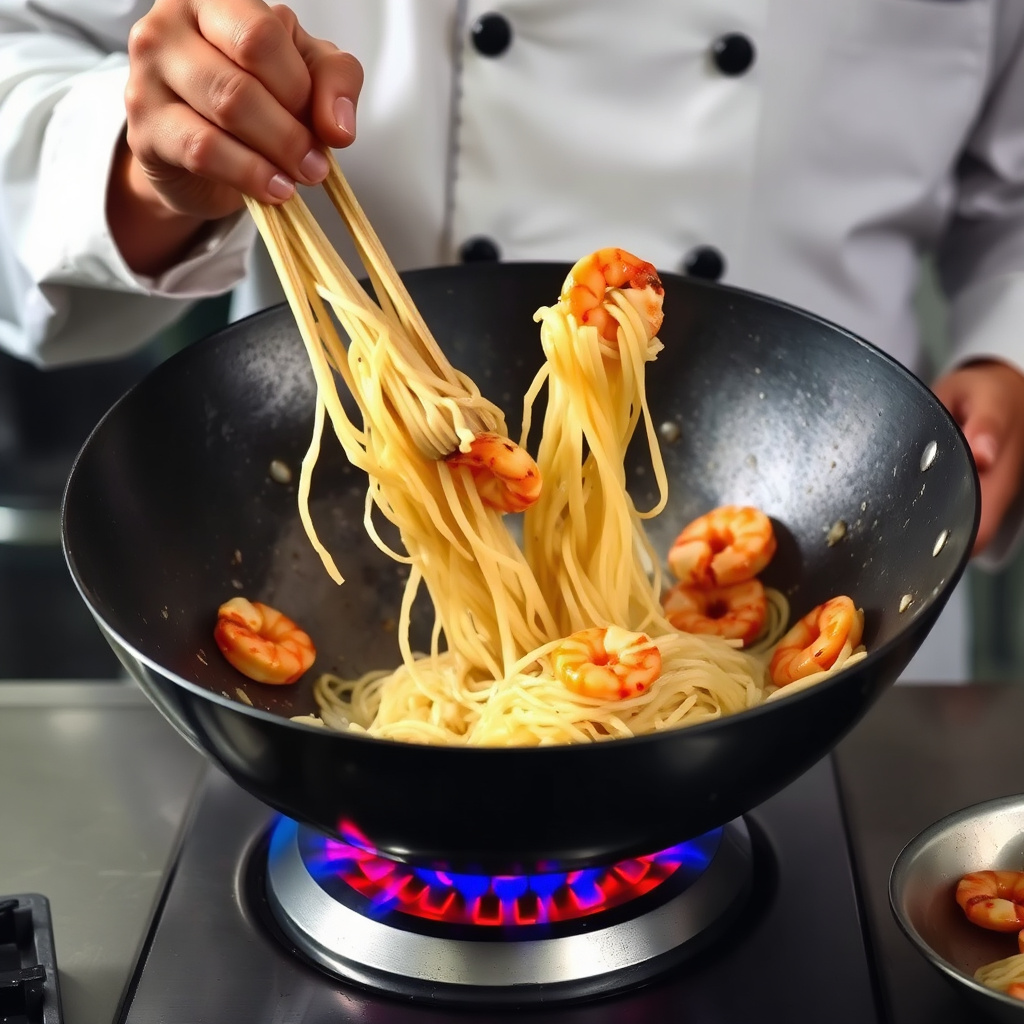
A hot wok or large skillet is essential to stir-fry ingredients quickly and evenly without steaming. Add oil and aromatics, then proteins, vegetables, and finally noodles and spices in quick succession.
Constant movement prevents ingredients from sticking and allows the curry powder and sauces to coat everything thoroughly, creating a well-integrated dish.
- Use a wok or large skillet over high heat
- Cook in stages: aromatics, protein, vegetables, noodles
- Stir continuously for even cooking and flavor
For more on this, see our related guide: What Is in Fried Rice? A Complete Guide to Its Key Ingredients.
Timing and Sauce Integration
Adding sauces at the right time is critical. Soy and oyster sauces should be introduced after the protein and vegetables are mostly cooked to prevent burning or excessive moisture.
The curry powder should be stirred into the oil early to release its fragrance. Water or broth may be added sparingly to help the noodles absorb flavors and maintain their texture.
- Add curry powder to hot oil at the start
- Introduce sauces after steaming vegetables
- Add broth or water sparingly to keep noodles moist
Customizing Your Singapore Rice Noodle Recipe
Adjusting Spice and Flavor Levels
You can control the heat by adjusting the amount of chili paste or fresh chilies. For a milder flavor, use less curry powder or swap for a milder blend. Sweetness can be added with a touch of sugar or hoisin sauce, balancing the savory taste.
Fresh herbs like cilantro and sliced scallions added after cooking brighten the dish and provide contrast to the spices.
- Control heat with chili paste amounts
- Add sugar or hoisin for sweetness
- Use fresh herbs for brightness
Making It Vegetarian or Gluten-Free
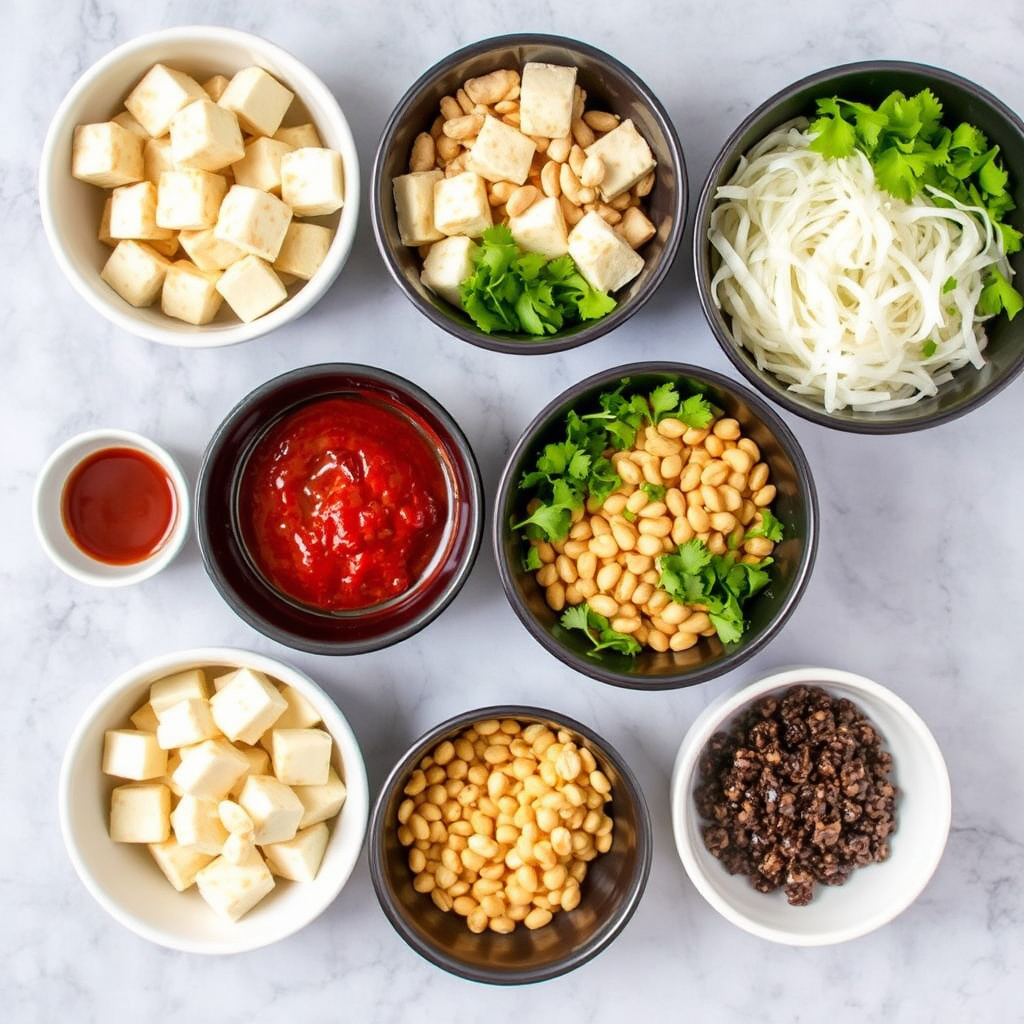
Omit seafood and meat to make a vegetarian Singapore rice noodle dish, and substitute tofu or tempeh as protein. Use gluten-free soy sauce to cater to dietary restrictions without losing flavor richness.
Check curry powder blends carefully to ensure they do not include gluten-containing additives, and rely on fresh ingredients to maintain the dish’s authenticity.
- Use tofu for protein instead of meat or shrimp
- Choose gluten-free soy sauce
- Verify curry powder ingredients for gluten
Serving and Pairing Suggestions
Presentation Tips
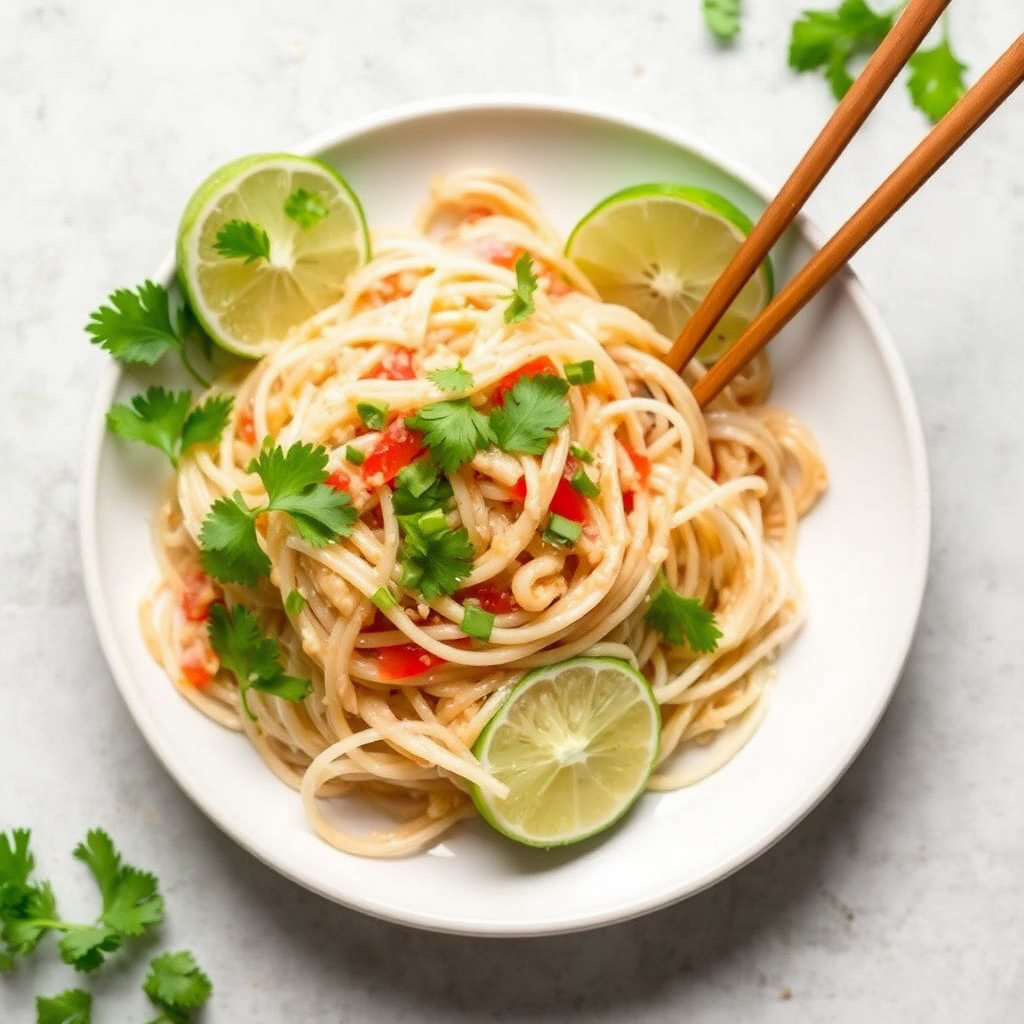
Serve Singapore rice noodles hot and fresh out of the wok to enjoy their full flavor and texture. Garnish with chopped scallions, cilantro, and a lime wedge for a pop of color and freshness.
A sprinkle of toasted sesame seeds or crushed peanuts adds pleasant texture contrast and nutty undertones.
- Garnish with fresh herbs and lime wedges
- Add toasted sesame seeds or peanuts for crunch
- Serve immediately for best texture
For more on this, see our related guide: What Is Singapore Rice Noodles? Understanding This Popular Dish.
Side Dishes and Beverage Pairings
Light Asian-style salads or steamed vegetables complement Singapore rice noodles well. If desired, pair with clear soups like miso or hot and sour soup for a balanced meal.
For beverages, a lightly chilled jasmine tea or a crisp lager balances the spices and refreshes the palate.
- Serve with light salads or steamed greens
- Pair with clear soups such as miso
- Enjoy with jasmine tea or light beer
Storing and Reheating Leftover Singapore Rice Noodles
Proper Storage Techniques
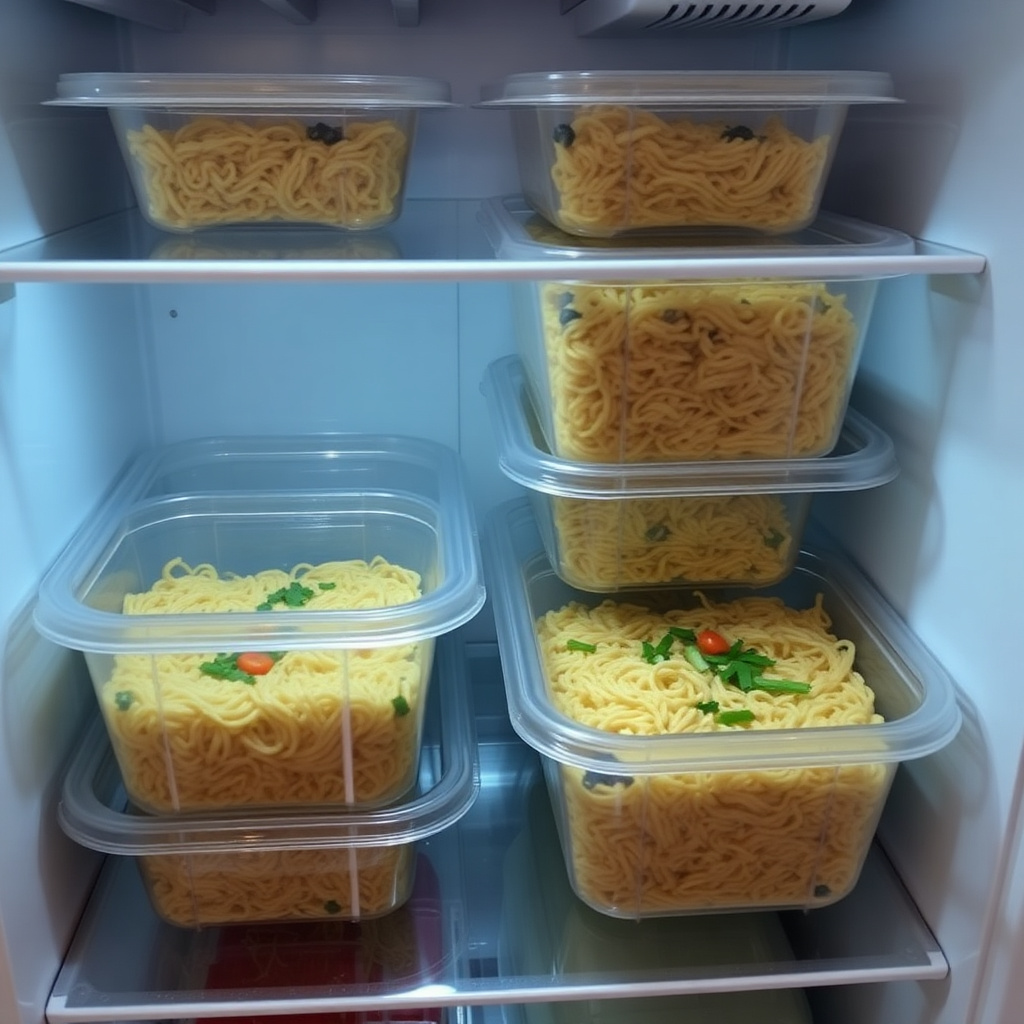
Store leftover Singapore rice noodles in airtight containers and refrigerate within two hours of cooking. They will keep well for up to three days. Avoid storing too long to prevent the noodles from becoming soggy or brittle.
Separating noodles from any watery sauces before storing can help maintain texture.
- Use airtight containers
- Refrigerate promptly within 2 hours
- Keep leftovers no more than 3 days
For additional background on the origins and variations of Singapore rice noodles, see the detailed Wikipedia entry on Singapore-style fried noodles. Singapore-style fried noodles.
Tips for Reheating
Reheat leftovers in a skillet over medium heat with a small splash of water or broth to loosen the noodles and refresh the flavors. Avoid microwaving unless stirring midway to prevent uneven heating.
Adding a small drizzle of oil during reheating can help restore the stir-fried texture and prevent sticking.
- Reheat in skillet with splash of broth or water
- Stir often for even warming
- Add oil to restore texture
Singapore Rice Noodle Variations Comparison
Here is a comparison of common variations of Singapore rice noodles, highlighting their unique ingredients, spice levels, and ideal pairings.
| Variation | Protein Used | Spice Level | Common Vegetables | Serving Suggestions |
|---|---|---|---|---|
| Classic Singapore Rice Noodles | Shrimp and Pork | Medium | Bell peppers, bean sprouts, green onions | Lime wedges, light salad |
| Vegetarian Singapore Rice Noodles | Tofu | Mild | Carrots, bell peppers, snap peas | Jasmine tea, steamed broccoli |
| Extra Spicy Singapore Rice Noodles | Chicken and Shrimp | High | Chilies, bell peppers, onions | Cold beer, Asian slaw |
| Gluten-Free Singapore Rice Noodles | Shrimp and Tofu | Medium | Bean sprouts, bok choy, carrots | Miso soup, lime wedges |
Frequently Asked Questions
What type of curry powder is used in Singapore rice noodles?
A mild to medium curry powder blend with turmeric, coriander, and cumin is commonly used to provide the signature flavor without overpowering heat.
Can I use fresh rice noodles instead of dried vermicelli?
Yes, fresh rice noodles can be used for a softer texture, but they require less soaking and gentler handling to avoid breaking during stir-frying.
How do I prevent the noodles from sticking together?
Soaking dried noodles properly, draining them well, and cooking over high heat with adequate oil while stirring constantly helps prevent clumping.
Is Singapore rice noodles a spicy dish?
The dish has a moderate spice level from curry powder and optional chili, but it can be adjusted to taste to be mild or more spicy.
What can I serve alongside Singapore rice noodles?
Light Asian salads, steamed vegetables, or clear soups like miso are great complements, along with beverages such as jasmine tea or light beer.
Key Takeaways
- Use thin rice vermicelli soaked properly for best texture
- Curry powder is essential for Singapore rice noodles’ unique flavor
- Protein options include shrimp, pork, chicken, or tofu
- Stir-fry quickly on high heat to combine flavors evenly
Conclusion
Crafting Singapore rice noodles at home revolves around layering bold but balanced flavors through the use of curry powder, fresh proteins, and crisp vegetables. Prioritizing proper noodle preparation and a hot wok enables a quick stir-fry that preserves texture and aroma. Everyone’s palate differs, so adjusting seasoning and spice levels can help tailor the dish to your liking while maintaining its distinctive character.
For those seeking a classic experience, combining shrimp and pork with bell peppers and bean sprouts delivers authenticity and depth. Vegetarians can easily swap proteins for tofu while absorbing the same fragrant curry essence. Whether you prefer your noodles more spicy or mild, the recipe's flexibility makes it suitable for a variety of taste preferences. This adaptability allows Singapore rice noodles to shine as a versatile meal option.
Begin by acquiring quality rice vermicelli and a reliable curry powder blend, then gather fresh ingredients for your chosen protein and vegetables. Follow the step-by-step stir-fry method to assemble the dish with care and attention to timing. Serving immediately with fresh garnishes ensures the best taste. Enjoy making this iconic Southeast Asian dish your own with small personal touches or dietary modifications.



One Comment