Is California Roll Safe for Pregnancy? What Expectant Moms Should Know
California roll can generally be safe to eat during pregnancy if prepared with pasteurized ingredients and cooked components. It typically includes cucumber, avocado, and cooked crab or imitation crab, which reduces the risks associated with raw fish consumption. However, pregnant women should confirm with their sushi provider that the crab meat is fully cooked and that food hygiene standards are strictly followed.
Eating sushi during pregnancy raises concerns mainly due to the risk of harmful bacteria, parasites, and high mercury levels found in some raw fish. The California roll, by design, minimizes these risks since its seafood component is usually cooked or pasteurized, making it a popular choice among expectant mothers who want a taste of sushi without exposing themselves to potential harm.
This article explores the safety of California rolls during pregnancy, detailing the ingredients to watch for, how to identify safe options, and alternative sushi choices that fit into a pregnancy-friendly diet. We'll also address common questions and compare different types of sushi for those seeking reassurance.
Understanding the Ingredients in California Roll

Main Components: Crab, Avocado, and Cucumber
The California roll typically contains imitation crab meat (surimi) or cooked real crab, avocado, and cucumber wrapped in sushi rice and seaweed (nori). Imitation crab is made from cooked white fish and additives, eliminating the raw seafood risk. Avocado and cucumber offer fresh, healthy ingredients, packed with nutrients and safe during pregnancy.
Since the crab component is cooked, the biggest risk factors of raw fish—such as parasites and listeria—are considerably reduced. However, cross-contamination or poor food handling during preparation can still pose problems, so verifying the source and preparation methods is important for safety.
Potential Risks Linked to Sushi Ingredients
Pregnancy concerns related to traditional sushi stem from raw fish, which might contain harmful bacteria, viruses, or parasites. While this risk is lower with cooked crab, California rolls may sometimes include mayonnaise-based sauces or other condiments that could harbor listeria if not refrigerated properly.
Furthermore, seaweed in California rolls is generally safe, but excessive consumption of seaweed carries a risk of high iodine intake, which may affect thyroid function. Moderating intake during pregnancy is advisable.
- Risk of listeria from sauces or toppings
- Possibility of cross-contamination in sushi preparation
- Iodine levels in seaweed consumed in large amounts
Pregnancy Sushi Safety: Guidelines to Follow

Selecting Pregnancy-Safe Sushi Options
Choosing sushi during pregnancy requires vigilance. Opt for rolls with cooked seafood like California rolls, eel rolls, or tempura rolls. Avoid raw fish varieties completely to reduce bacterial and parasitic infection risks. Also, check that ingredients like cream cheese or sauces are fresh and have been stored properly.
Seek out reputable sushi restaurants known for high hygiene standards. If dining at home, ensure seafood is cooked to safe temperatures and surfaces are sanitized. Frozen imitation crab or cooked crab sticks are safer alternatives to raw options.
- Choose rolls with cooked seafood or vegetables
- Avoid raw fish sushi entirely
- Confirm freshness and proper storage of sauces
- Eat at reputable establishments or prepare sushi at home carefully
For more on this, see our related guide: Is a California Roll Cooked? Understanding Its Ingredients and Preparation.
Handling Mercury and Allergens During Pregnancy
While California rolls contain low-mercury seafood such as imitation or cooked crab, pregnant women should be cautious of mercury exposure from other fish types like tuna or mackerel. Mercury can harm fetal nervous system development. Therefore, limiting high-mercury fish and prioritizing low-mercury sushi options is advised.
Allergic reactions are another consideration. If you have seafood allergies, check labels or ask about ingredients thoroughly. California rolls are often safer as they contain common allergens in cooked form, but awareness is essential.
- Limit high-mercury fish consumption
- Choose low-mercury seafood such as cooked crab
- Monitor for potential allergen exposure
Nutrition Benefits and Considerations of California Rolls

Nutritional Value for Pregnant Women
California rolls provide beneficial nutrients such as omega-3 fatty acids (from crab), vitamins, fiber, and healthy fats (from avocado). These nutrients support fetal development, immune health, and digestion during pregnancy. The cucumber adds hydration and vitamin K while the rice offers energy.
Despite these benefits, California rolls should be eaten in moderation as sushi rice can be high in carbohydrates and sauces might add unnecessary sodium or fats. Maintaining a balanced diet with a variety of nutrient sources remains key.
- Good source of omega-3 fatty acids
- Vitamins E and C from avocado and cucumber
- Provides carbohydrates for energy
Avoiding Common Sushi Pitfalls
Some sushi rolls contain high amounts of sodium, sugars, and unhealthy fats from sauces and mayonnaise. Excess sodium can cause blood pressure issues during pregnancy. It is wise to limit consumption of heavily sauced rolls or ask for sauces on the side to control intake.
Also, avoid consuming overly large portions which can lead to indigestion or discomfort common in pregnancy. California rolls tend to be moderate in size, making portion control easier.
- Limit sauces high in sodium and sugar
- Control portion sizes
- Ask for sauces on the side when possible
Safe Sushi Preparation Practices for Pregnant Women

Choosing Hygienic Sushi Venues
Eating California rolls safely during pregnancy depends greatly on the hygiene standards of the sushi provider. Look for restaurants with high ratings, transparent sourcing policies, and visibly clean preparation areas. Certified sushi chefs typically observe safe handling practices to reduce contamination risks.
When ordering takeout, request freshly made sushi rather than pre-prepared items stored for long periods. Consuming sushi promptly helps prevent bacterial growth which poses risks especially to pregnant women.
- Select reputable, clean sushi restaurants
- Request freshly made California rolls
- Avoid sushi stored for extended periods
For more on this, see our related guide: Can Pregnant Women Eat California Roll? Safety and Tips Explained.
Home Preparation Tips for Safe California Rolls
Preparing California rolls at home gives full control over ingredient quality and safety. Use cooked or imitation crab from trusted sources, wash vegetables thoroughly, and use pasteurized mayonnaise or sauces. Keep all ingredients refrigerated and consume soon after preparation.
Use separate utensils and cutting boards for seafood and vegetables to prevent cross-contamination. Follow recipes that emphasize proper cooking and sanitation to maintain safety when making sushi at home.
- Use cooked or imitation crab from reliable sources
- Wash produce thoroughly
- Prevent cross-contamination with separate cutting boards
- Use pasteurized sauces and eat soon after preparation
Alternatives to California Rolls for Pregnancy
Cooked Sushi Rolls Safe for Expectant Mothers
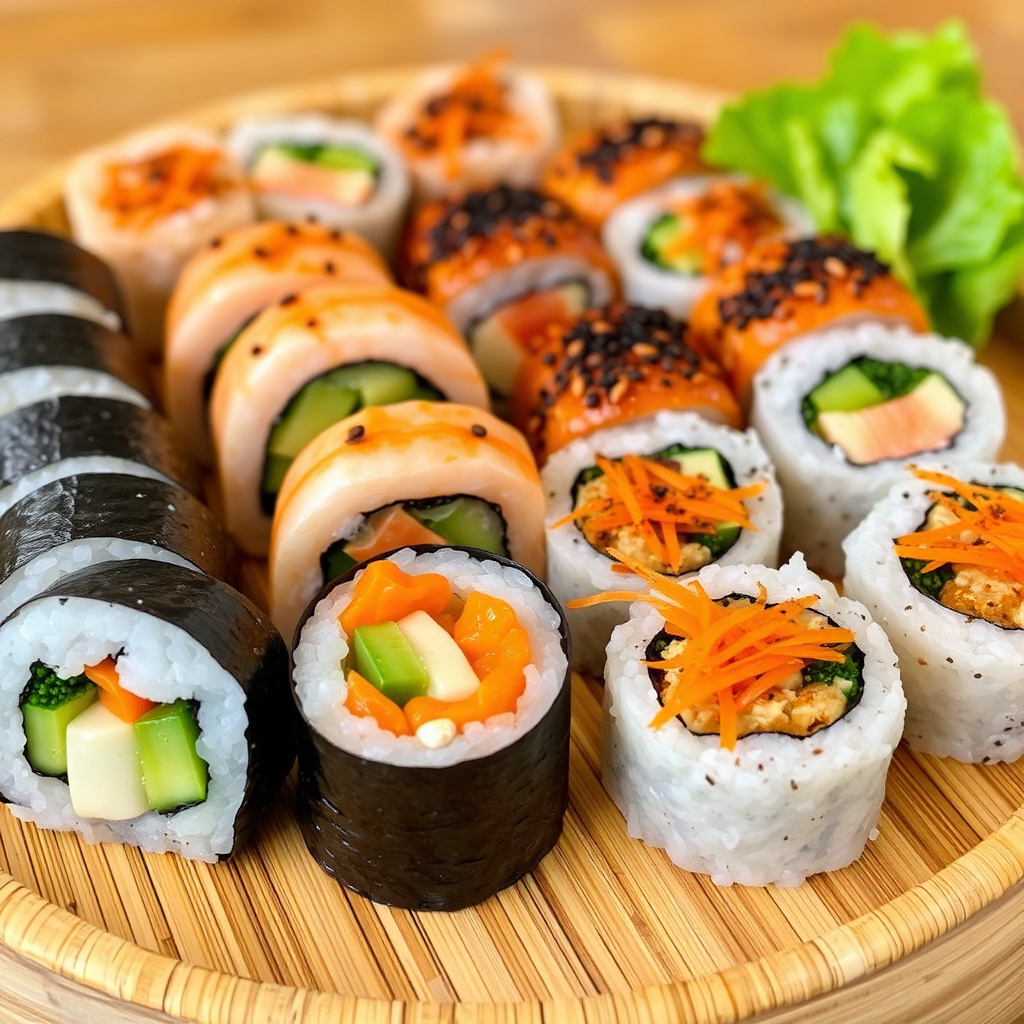
Beyond California rolls, other cooked sushi rolls offer safe options during pregnancy. Eel rolls (unagi) and shrimp tempura rolls are fully cooked and flavorful choices. These options provide variety while eliminating raw seafood risks.
Vegetarian sushi options like cucumber rolls, avocado rolls, and sweet potato rolls also serve pregnancy-safe alternatives rich in vitamins and fiber without seafood concerns.
- Eel rolls with cooked eel
- Shrimp tempura rolls
- Vegetable-based rolls like cucumber and avocado
For more detailed nutritional advice and safety guidelines during pregnancy, consult reputable sources such as the American College of Obstetricians and Gynecologists' recommendations on nutrition. Sushi and pregnancy safety guidelines.
Using Alternatives to Raw Fish in Traditional Rolls
Some sushi restaurants offer rolls that substitute raw fish with cooked seafood or plant-based proteins, such as smoked salmon or tofu. These versions maintain sushi's signature texture and flavor without the risks of raw fish during pregnancy.
Discuss with your sushi chef or server about modifications if you desire specific roll styles but want them adjusted for pregnancy safety.
- Smoked salmon instead of raw salmon
- Tofu or cooked seafood substitutes
- Customized sushi rolls made with cooked ingredients
Safe Sushi Options During Pregnancy: Category Comparison
Here’s a comparison of popular sushi categories focusing on pregnancy safety, mercury levels, and ingredient types to help you make an informed choice.
| Sushi Type | Seafood Source | Mercury Risk | Pregnancy Safety Level | Typical Ingredients |
|---|---|---|---|---|
| California Roll | Cooked crab or imitation crab | Low | High safety | Crab, avocado, cucumber, rice, seaweed |
| Eel Roll (Unagi) | Cooked eel | Low | High safety | Cooked eel, rice, seaweed, sauce |
| Shrimp Tempura Roll | Cooked shrimp | Low | High safety | Deep-fried shrimp, rice, seaweed, mayo |
| Tuna Roll | Raw tuna | Moderate to high | Avoid | Raw tuna, rice, seaweed |
| Vegetable Roll | No seafood | None | High safety | Various vegetables, rice, seaweed |
| Salmon Sashimi | Raw salmon | Moderate | Avoid | Raw salmon slices |
Frequently Asked Questions
Can pregnant women eat imitation crab in sushi?
Yes, imitation crab is made from cooked fish paste and is generally safe for pregnant women as it eliminates raw fish risks.
Is it safe to eat sushi sauce during pregnancy?
Sushi sauces can carry a risk of listeria if not stored properly. It's best to consume sauces fresh and in moderation or ask for them on the side.
Why should raw fish be avoided during pregnancy?
Raw fish may contain harmful bacteria or parasites that can cause infections dangerous for both mother and baby. It also may contain higher mercury levels.
Are all California rolls made with cooked crab?
Most California rolls use cooked or imitation crab, but it's important to confirm with the restaurant to avoid raw seafood surprises.
Can I make California rolls safely at home during pregnancy?
Yes, by using cooked or imitation crab, washing produce, and practicing good sanitation, you can safely prepare California rolls at home.
Key Takeaways
- California rolls typically contain cooked crab and are safer than raw fish sushi during pregnancy.
- Avoid raw fish sushi due to risk of infection and mercury exposure.
- Choose reputable sushi sources and observe hygiene practices when eating out.
- Consider cooked and vegetable-based sushi alternatives for variety.
Conclusion
When evaluating whether California roll is safe for pregnancy, the main factors are ingredient quality and preparation. Since California rolls commonly use cooked or imitation crab, they significantly reduce risks associated with raw fish. However, ensure you consume sushi from trusted sources with good hygiene standards to avoid bacterial contamination. Pregnant women should also be aware of accompanying sauces and excessive seaweed intake.
For those craving sushi during pregnancy, cooked seafood options like eel rolls and shrimp tempura rolls offer additional safe variety. Vegetarian rolls provide simple, nutritious alternatives free from seafood risks. Avoiding raw fish, especially high-mercury varieties such as tuna sashimi, remains critical. Homemade California rolls with fresh, properly cooked ingredients also present a safe choice where you control sourcing and handling.
Ultimately, enjoying California rolls can be part of a healthy pregnancy diet if mindful of food safety and ingredient choices. If unsure, consult with your healthcare provider or a registered dietitian regarding your sushi consumption. Starting with small portions from reputable restaurants or preparing sushi at home enables you to savor sushi flavors without compromising safety.