Is Sushi Gluten Free? What You Need to Know Before Ordering
Sushi can be gluten free, but not all types are safe for a gluten-free diet. While the main ingredients like fish and rice naturally lack gluten, many common sushi components contain gluten or are prepared with gluten-containing sauces and additives.
Understanding which sushi ingredients include gluten matters because gluten exposure can cause serious issues for people with celiac disease or gluten sensitivity. Cross-contamination during preparation is also a frequent concern in restaurants that serve both gluten-containing and gluten-free items.
This article will clarify which sushi elements are typically gluten free, identify hidden sources of gluten, explain how to order gluten-free sushi safely, and explore a range of gluten-free sushi options that can satisfy different tastes and dietary needs.
Common Sushi Ingredients and Their Gluten Content

Rice and Seafood
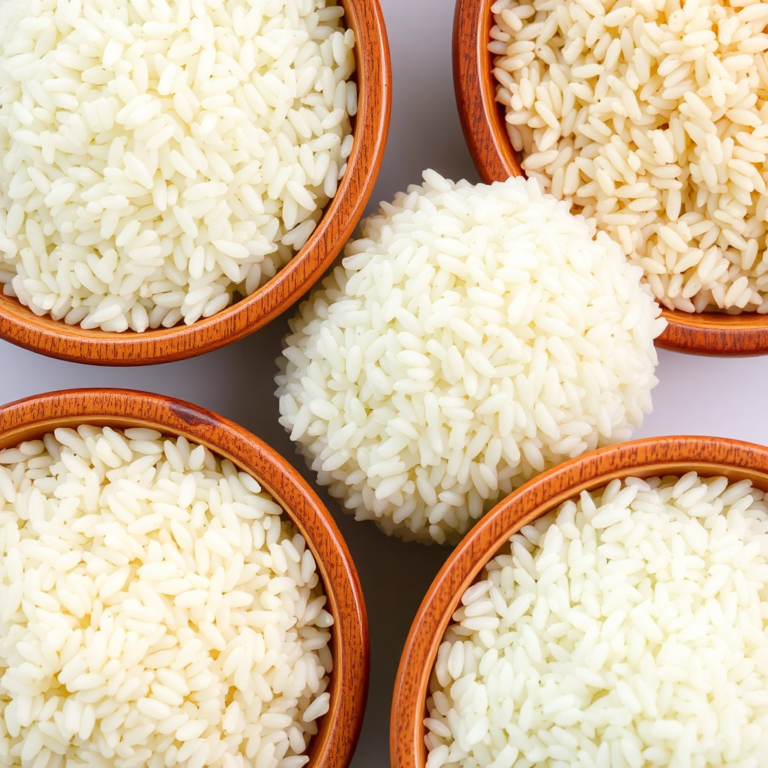
The cornerstone of all sushi is vinegared rice and fresh seafood. Both are naturally gluten free. Sushi rice is traditionally seasoned with rice vinegar, sugar, and salt, none of which contain gluten.
Raw fish varieties like salmon, tuna, and yellowtail also do not contain gluten. These ingredients form the safe base of most gluten-free sushi orders.
Sauces and Seasonings
Many sushi dishes use soy sauce or other fermented sauces that often contain wheat. Regular soy sauce is typically not gluten free because it's brewed with wheat, making it a major source of gluten in sushi meals.
Other common seasonings like eel sauce, teriyaki sauce, and imitation crab also frequently include gluten ingredients or additives unless labeled gluten free.
- Regular soy sauce contains wheat
- Imitation crab is usually made with wheat-based fillers
- Pickled ginger and wasabi are generally gluten free but check labels
Gluten-Free Sushi Options

Nigiri and Sashimi
Nigiri, which is a slice of fish over rice, and sashimi, sliced fish alone, are usually safe choices for gluten-free diners, provided no gluten-containing sauces are added.
Avoid nigiri toppings like imitation crab or sauces that might contain gluten, and ask for sushi to be served without soy sauce unless a gluten-free option is available.
Special Rolls and Vegetable-Based Sushi
Many specialty rolls include tempura (battered and fried ingredients), cream cheese, or sauces, which often contain gluten. Vegetable-based rolls with fresh veggies and avocado typically do not contain gluten if ordered without sauce.
Some restaurants specifically create gluten-free rolls using gluten-free soy sauce and rice paper for wrapping instead of seaweed or wheat-based wrappers.
- Avoid tempura or fried components
- Opt for vegetable rolls or simple fish rolls
- Confirm gluten-free sauces are used
Cross-Contamination Risks in Sushi Preparation

Shared Utensils and Surfaces
Sushi chefs often use the same cutting boards, knives, and work surfaces to prepare both gluten-containing items and gluten-free sushi. Without proper cleaning, gluten traces can contaminate otherwise safe dishes.
Gluten is a protein that can cling to surfaces and utensils, making even a tiny amount problematic for sensitive individuals. Asking about the restaurant's preparation practices helps mitigate this risk.
- Shared knives and boards increase cross-contact risk
- Gluten can transfer easily despite no direct ingredient inclusion
For more on this, see our related guide: Is Sushi Healthy? Exploring the Nutritional Benefits and Risks.
Sauce Bowls and Dipping Practices
Dipping gluten-free sushi in soy sauce that contains wheat can introduce gluten into the meal. Using a shared bowl for soy sauce also raises cross-contact concerns, as gluten residue might mix into other diners’ sauces.
Requesting a separate gluten-free soy sauce or bringing your own reduces cross-contact dangers while enjoying sushi.
- Shared soy sauce bowls can cause contamination
- Gluten-free soy sauce alternatives are recommended
How to Order Sushi Gluten Free in Restaurants

Communicating Dietary Needs
Being clear and specific about your gluten-free needs when ordering is essential. Inform the server and sushi chef about your sensitivity to gluten and ask about safe menu options.
Request confirmation on sauce ingredients, preparation methods, and any potential sources of cross-contamination. Some restaurants have dedicated gluten-free menus or can customize orders accordingly.
- State gluten-free requirement to staff upfront
- Ask detailed questions about sauces and preparation
Identifying Gluten-Free Menu Items
Look for sushi items marked gluten free or free from soy sauce. Traditional nigiri without sauce, sashimi, and vegetable rolls without tempura are usually reliable options.
Be cautious with special rolls, and verify if gluten-free soy sauce is available, as this affects whether you can safely dip your sushi.
Making Gluten-Free Sushi at Home

Choosing Safe Ingredients
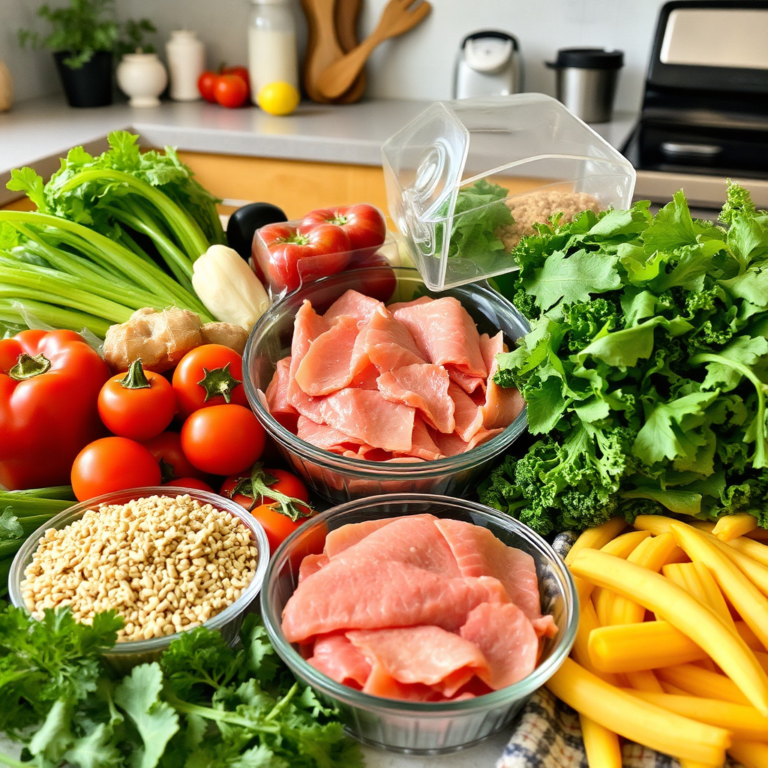
Preparing sushi at home allows complete control over gluten exposure. Use fresh fish, sushi rice, nori seaweed, and gluten-free soy sauce brands to avoid hidden gluten.
Avoid imitation crab and tempura coatings unless specific gluten-free versions are available.
- Buy certified gluten-free soy sauce
- Select fresh fish without additives
- Use plain sushi rice and natural vinegars
For more on this, see our related guide: How to Use Soy Sauce with Sushi: A Practical Guide.
Simple Gluten-Free Sushi Recipes
Start with simple rolls like cucumber or avocado maki rolls. Nigiri made with plain fish slices is easy to assemble and free of gluten.
Experiment with gluten-free dipping sauces made from tamari or coconut aminos to complement your sushi.
Nutritional Considerations for Gluten-Free Sushi

Calories and Macronutrients
Sushi rice provides carbohydrates, while fish contributes high-quality protein and omega-3 fatty acids. Gluten-free sushi offers a balanced meal with essential nutrients.
Watch out for additions like mayonnaise-based sauces or fried tempura that add fat and calories when ordering gluten-free options.
For a detailed explanation of gluten and its presence in foods, visit the Gluten in Food Overview. Gluten in Food Overview.
Potential Allergens Alongside Gluten
Seafood allergies, soy allergies, and shellfish sensitivities are additional concerns when ordering gluten-free sushi. Cross-contact can extend beyond gluten to other allergens.
Always inform your server about all dietary restrictions to prevent exposure to unintended allergens.
Comparison of Popular Sushi Types for Gluten Content
This table compares common sushi categories based on their typical gluten content, preparation, and safety for gluten-free diets.
| Sushi Type | Typical Gluten Content | Common Gluten Sources | Gluten-Free Variation Availability |
|---|---|---|---|
| Nigiri | Usually Gluten Free | Soy sauce, imitation crab toppings | Yes – plain fish only with gluten-free soy sauce |
| Sashimi | Gluten Free | None in raw fish | Naturally gluten free |
| Maki Rolls | Varies | Tempura, sauces, imitation crab | Yes – vegetable or simple fish rolls without sauce |
| Tempura Rolls | High Gluten | Batter with wheat flour | Rare – require gluten-free batter |
| Specialty Rolls | Varies | Sauces, fried ingredients | Depends on restaurant |
| Inari Sushi | Usually Gluten Free | Sweetened tofu pockets (may contain gluten) | Check for gluten in tofu skin |
Frequently Asked Questions
Is soy sauce gluten free in sushi restaurants?
Most traditional soy sauces contain wheat and are not gluten free. Gluten-free alternatives like tamari exist, so confirm before using soy sauce at sushi restaurants.
Can I eat imitation crab on a gluten-free diet?
Imitation crab often contains wheat-based fillers, making it unsafe for gluten-free diets unless labeled gluten free.
Is all sushi rice gluten free?
Yes, sushi rice itself is naturally gluten free as it is made from rice and vinegar without wheat ingredients.
Are tempura rolls suitable for gluten-free eaters?
No, tempura batter contains wheat flour, so tempura rolls are generally not gluten free unless prepared with special gluten-free batter.
What is a safe way to enjoy soy sauce with sushi if gluten sensitive?
Use tamari or certified gluten-free soy sauce, bring your own if possible, and ask about the restaurant’s gluten-free options to avoid contamination.
Key Takeaways
- Sushi rice and fresh fish are naturally gluten free
- Watch for soy sauce, imitation crab, and tempura which contain gluten
- Cross-contamination is a risk unless restaurants take precautions
- Gluten-free sushi options like nigiri and sashimi are widely available
Conclusion
Deciding whether sushi is gluten free involves understanding both the ingredients and preparation methods. While foundational elements like fish, rice, and seaweed lack gluten, many popular accompaniments and sauces frequently contain gluten. Careful ordering and clear communication with restaurant staff are key to avoiding unintended gluten exposure.
For those who must avoid gluten strictly, simpler options such as sashimi, plain nigiri, or vegetable rolls without sauces are safer bets. Restaurants offering gluten-free soy sauce or specialized gluten-free rolls increase choices for diners. Homemade sushi using gluten-free ingredients can also provide a risk-free alternative and enjoyment of this cuisine.
If you plan to eat sushi frequently, consider identifying restaurants with good gluten-free practices or prepare sushi at home with certified gluten-free products. Always double-check menus and ask questions to protect your health and enjoy sushi with confidence.