Exploring the Types of Soy Sauce: A Guide to Varieties and Uses
Soy sauce is a versatile condiment with numerous varieties that differ in flavor, color, and production methods. The most common types include light soy sauce, dark soy sauce, tamari, and sweet soy sauce. Each has a unique taste profile suited for specific culinary uses, whether for marinating, dipping, or cooking.
Understanding the differences among soy sauce types matters because they can drastically change the flavor of your dishes. Light soy sauce typically adds salty umami without overpowering, while dark soy sauce offers richer, slightly sweet notes and a darker color. Tamari, often gluten-free, suits those with dietary restrictions, and sweet soy sauce provides a syrupy glaze perfect for certain Asian recipes.
This article breaks down the main soy sauce types by characteristics and best uses. You'll learn how to pick the right soy sauce for your recipe, explore alternatives like tamari, and find tips on incorporating these sauces to maximize flavor in your dishes.
Understanding Light Soy Sauce and Its Culinary Role

What Is Light Soy Sauce?
Light soy sauce, also known as thin soy sauce, is a staple in many Asian kitchens. It has a pale brown color and a salty, mildly umami flavor. It is made from fermented soybeans, wheat, water, and salt, and is usually lighter in texture than its dark counterpart.
This type of soy sauce is prized for seasoning and enhancing the natural flavors of food without overpowering them. It’s often used in stir-fries, marinades, and as a dipping sauce because it provides brightness and saltiness without adding too much color.
Best Uses for Light Soy Sauce
Light soy sauce is suitable when a recipe needs seasoning but you want to maintain the dish’s original appearance. It works well in recipes that require quick cooking methods or where color is a factor, such as fried rice or noodle dishes.
Because of its salt-forward profile, it’s ideal for balancing flavors in soups and dipping sauces without overwhelming the palate.
- Seasoning stir-fries
- Marinating meats
- Light dipping sauces
- Soups and broths
Exploring Dark Soy Sauce: Flavor and Application
Characteristics of Dark Soy Sauce
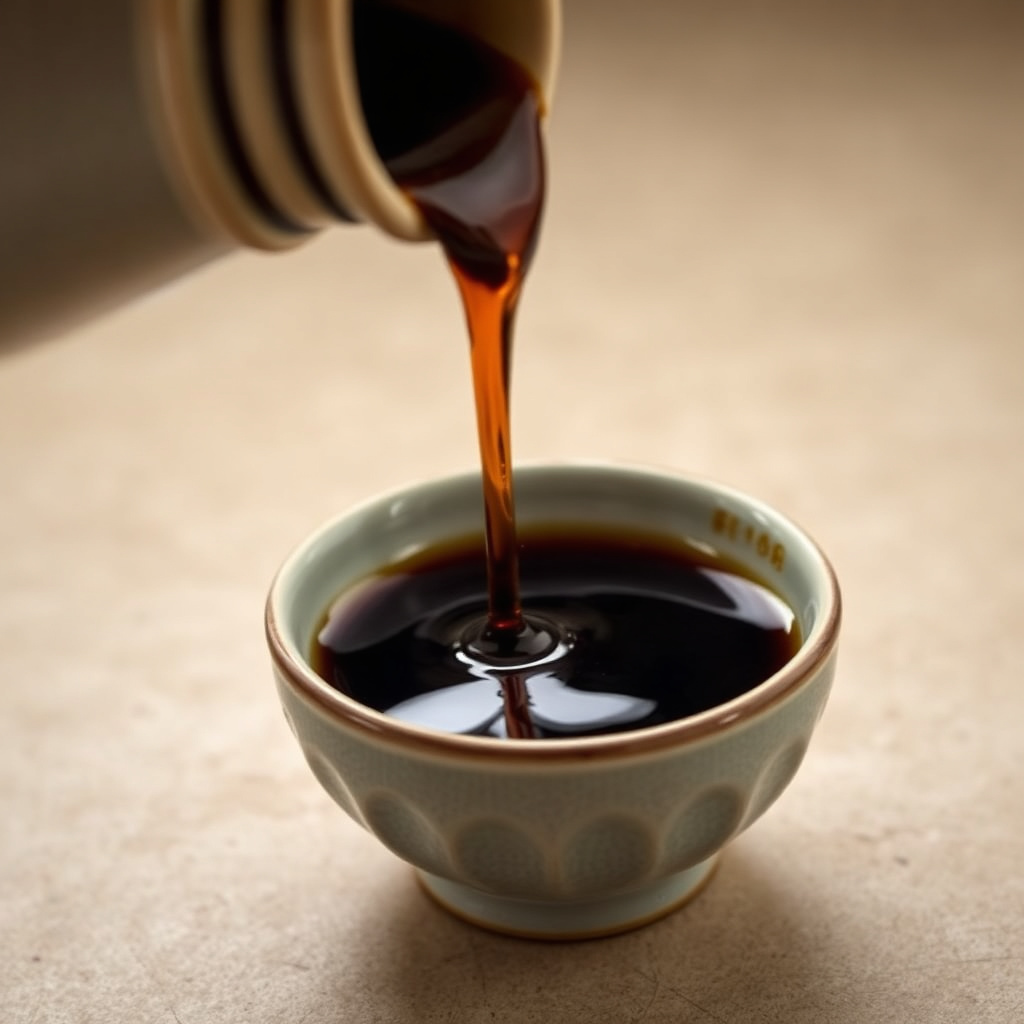
Dark soy sauce is thicker and darker than light soy sauce, often with added molasses or caramel for sweetness and extra color. It is fermented longer or aged, resulting in a richer, less salty taste with deep umami notes.
The sauce adds complexity and a glossy finish to cooked dishes, making it popular for braises, stews, and sauces where depth and color are desired.
How to Use Dark Soy Sauce in Cooking
Add dark soy sauce to dishes when you want to enhance the color or add a sweet-savory dimension. Its robust flavor means it is used more sparingly than light soy sauce to avoid overpowering the dish.
Commonly used in Chinese and Southeast Asian recipes, it helps create rich sauces and sticky glazes, perfect for dishes like red-cooked pork or char siu.
- Color enhancement for sauces
- Slow-cooked dishes and braises
- Glazing meats
- Adding sweetness with depth
Tamari: A Gluten-Free Soy Sauce Alternative
What Sets Tamari Apart?
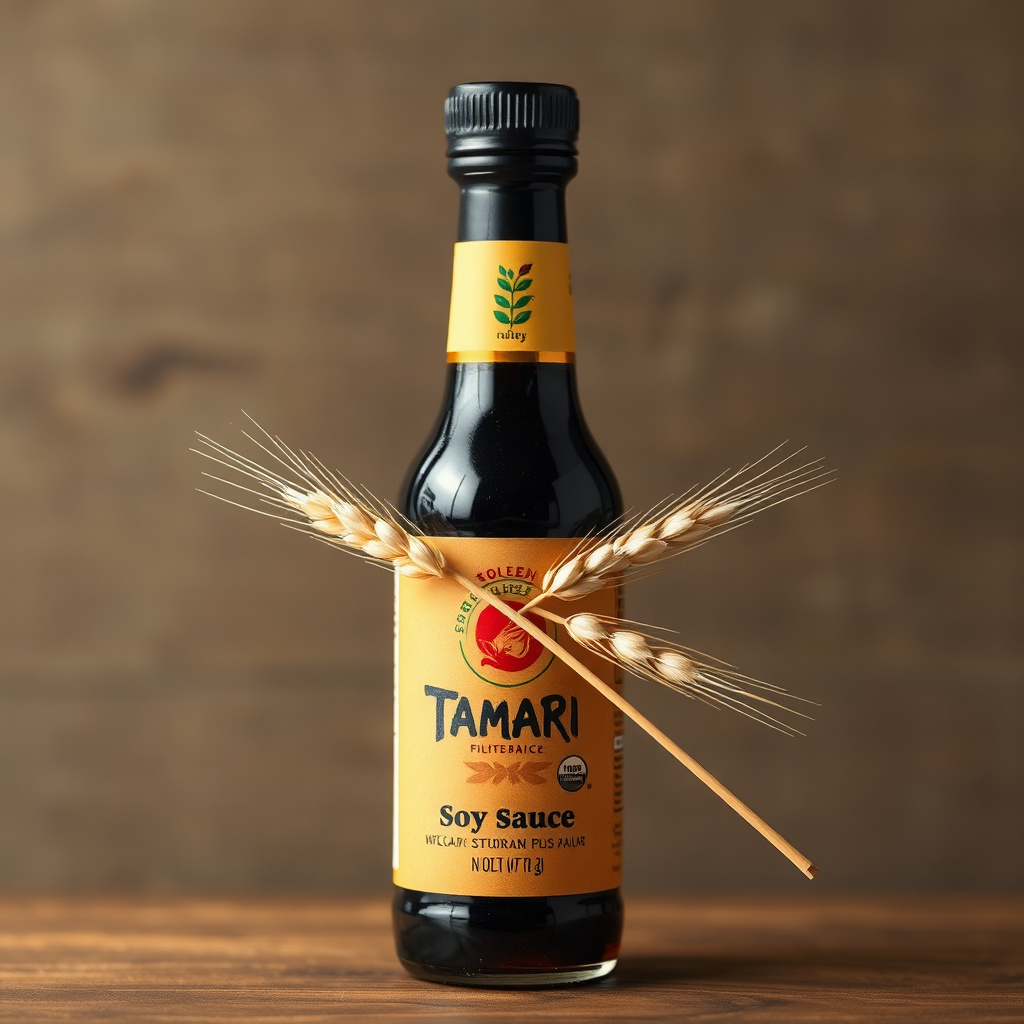
Tamari is a Japanese soy sauce variant that generally contains little to no wheat, making it suitable for gluten-free diets. It is usually thicker, less salty, and has a more balanced umami flavor compared to traditional soy sauces.
Its brewing process differs slightly, focusing on soybeans rather than wheat, which gives tamari a more mellow and robust flavor, ideal for those sensitive to gluten or seeking a deeper taste.
For more on this, see our related guide: Exploring Different Types of Tofu: Which One Suits Your Cooking Best?.
Using Tamari in Recipes
Because of its smooth taste, tamari is great for dipping sauces, salad dressings, and as a finishing touch to dishes. It can substitute light or dark soy sauce but will add a distinct, slightly thicker texture.
It complements sushi, sashimi, and cooked dishes where a gluten-free, less sharp soy sauce is preferred.
- Gluten-free cooking needs
- Dipping sauces and sushi
- Marinades with richer flavor
- Salad dressings
The Role of Sweet Soy Sauce in Asian Cuisine
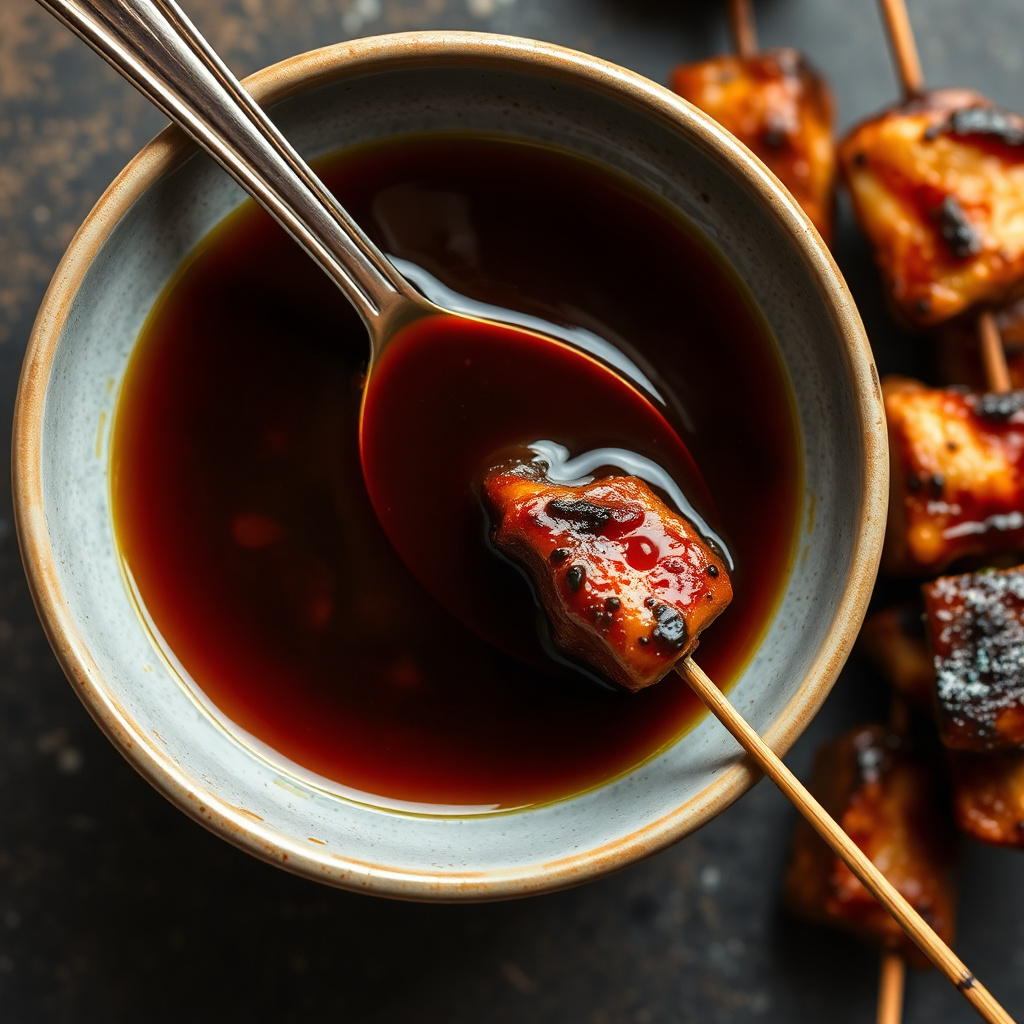
Understanding Sweet Soy Sauce
Sweet soy sauce, known as kecap manis in Indonesian cuisine, is a thick, syrupy sauce with a pronounced sweetness derived from palm sugar or molasses. It pairs savory and sweet flavors, which creates a different profile than traditional salty soy sauces.
This variety is widely used in Southeast Asian dishes to add glaze and balance spicy or savory elements with sugary notes.
Where to Use Sweet Soy Sauce
Sweet soy sauce is ideal for grilled or fried foods needing a glossy, caramelized coating. It shines in satays, stir-fried noodles, and as a table condiment to contrast spiciness.
It shouldn’t replace light soy sauce in recipes that rely on saltiness but rather be used alongside or in smaller amounts to enhance flavor complexity.
- Glazing grilled meats
- Adding sweetness to stir-fries
- Sauces and dips
- Balancing spicy dishes
Specialty Soy Sauces and Regional Variations
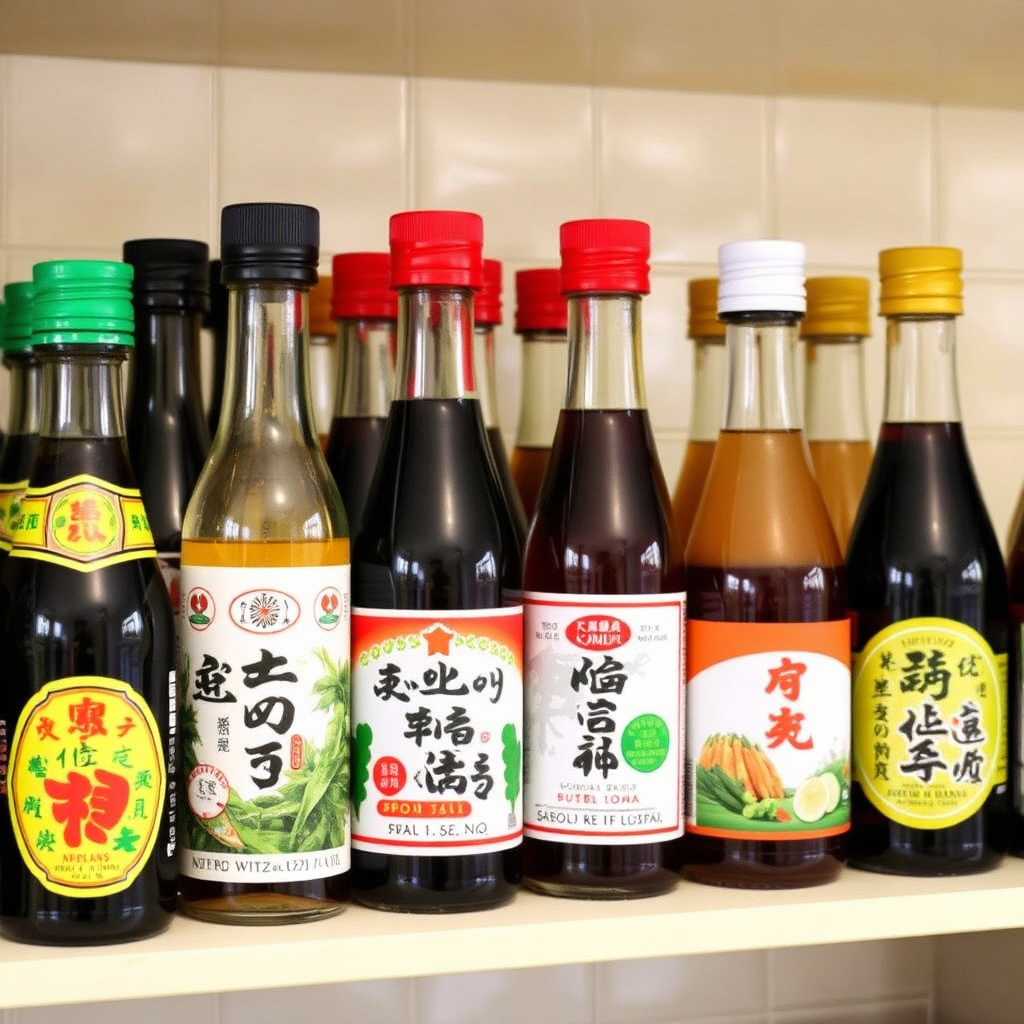
Regional Soy Sauce Styles
Asia hosts many regional soy sauce variations including Korean ganjang, Chinese mushroom soy sauce, and Taiwanese soy sauce brewed with different fermentation methods. Each reflects local tastes, ingredient availability, and culinary traditions.
For example, mushroom soy sauce incorporates shiitake extracts for earthiness, while Korean ganjang focuses on a lighter, less salty flavor significant in Korean cuisine.
For more on this, see our related guide: Exploring the Different Types of Dumplings Around the World.
Using Specialty Soy Sauces
These regional and specialty soy sauces can add unique flavor profiles to dishes outside traditional recipes. A mushroom soy sauce could enrich vegetarian dishes, while Korean ganjang might bring authenticity to Korean recipes without overwhelming saltiness.
Experimenting with these types can help diversify cooking styles and tailor the taste to specific cultural cuisines.
Selecting and Storing Soy Sauce for Maximum Freshness

Choosing Quality Soy Sauce
When selecting soy sauce, check the ingredient list for natural fermentation and minimal additives. Avoid brands with excessive preservatives or artificial flavors. Quality soy sauce can make a substantial difference in taste and aroma.
Look for labels with ‘naturally brewed’ or ‘traditionally fermented’ to ensure an authentic product. Consider the intended culinary use to pick between light, dark, or specialty soy sauces.
- Natural fermentation preferred
- Minimal additives
- Check for gluten-free options if needed
- Consider use case in recipes
For additional information about soy sauce production and history, you can visit the Soy sauce on Wikipedia page. Soy sauce on Wikipedia.
Proper Storage Tips
Soy sauce retains best flavor when stored in a cool, dark place away from direct sunlight, such as a pantry or refrigerator after opening. Properly sealed bottles can last for several months without flavor degradation.
Refrigeration slows oxidation and helps maintain aroma and taste. Avoid leaving soy sauce in hot or humid areas to prevent spoilage.
- Store in cool, dark place
- Refrigerate after opening
- Keep bottle tightly sealed
- Avoid heat and sunlight exposure
Soy Sauce Types Comparison
This table summarizes key attributes of different soy sauce types to help you choose the best one based on flavor, color, ingredients, and typical culinary uses.
| Type | Flavor Profile | Color | Gluten Content | Common Uses |
|---|---|---|---|---|
| Light Soy Sauce | Salty, mild umami | Light brown | Contains gluten | Seasoning, stir-fries, dips |
| Dark Soy Sauce | Rich, slightly sweet umami | Dark brown | Contains gluten | Braising, glazing, sauces |
| Tamari | Smooth, robust umami | Dark brown | Mostly gluten-free | Dipping, gluten-free cooking |
| Sweet Soy Sauce | Sweet, syrupy, savory | Very dark, glossy | Contains gluten | Glazing, marinades, dipping |
| Mushroom Soy Sauce | Earthy umami | Dark brown | Contains gluten | Vegetarian dishes, seasoning |
Frequently Asked Questions
Can I substitute dark soy sauce for light soy sauce?
Dark soy sauce has a richer, sweeter flavor and darker color than light soy sauce. Substituting may alter the dish’s taste and appearance, so adjust quantities carefully or use it primarily for color enhancement.
Is tamari a good option for gluten-sensitive people?
Yes, tamari is often brewed without wheat, making it suitable for gluten-sensitive diets. Always check the label to confirm it’s certified gluten-free.
What dishes are best suited for sweet soy sauce?
Sweet soy sauce works well in grilled or fried dishes needing a thick, caramelized glaze and in recipes where a balance of sweetness and savoriness enhances flavor, like satay or nasi goreng.
How long does soy sauce last after opening?
Opened soy sauce can last several months if stored properly in a sealed container in the refrigerator, which helps preserve its taste and aroma.
Does soy sauce have nutritional benefits?
Soy sauce contains small amounts of antioxidants and amino acids from fermentation, but it is high in sodium, so it should be used in moderation.
Key Takeaways
- Light soy sauce is salty and ideal for seasoning without altering dish color.
- Dark soy sauce adds rich flavor and deep color to slow-cooked dishes.
- Tamari offers a gluten-free soy sauce option with a mellow taste.
- Sweet soy sauce provides a thick, sweet-savory glaze for grilled foods.
Conclusion
Choosing the right soy sauce involves understanding the distinct flavor profiles and culinary roles of each type. Light soy sauce brings saltiness without darkening dishes, while dark soy sauce offers a sweet depth and color. Specialty types like tamari accommodate dietary restrictions, and sweet soy sauce introduces caramelized sweetness. Thoughtful selection based on cooking needs and flavor goals enhances your dishes substantially. Knowing what each soy sauce adds allows for better flavor balance and presentation.
For everyday cooking like stir-fries or soups, light soy sauce is versatile and dependable. When preparing slow-cooked stews or recipes needing a glossy finish, dark soy sauce works best. Those avoiding gluten can turn to tamari for authentic umami without compromise. For Indonesian or Malaysian flavors requiring sweetness and a thick glaze, sweet soy sauce is unmatched. Specialty regional varieties may offer nuanced tastes that benefit specific dishes or preferences.
To improve your cooking experience, buy naturally brewed soy sauces suited to your preferred cuisine and store them correctly to maintain freshness. Experiment gradually with different types to find your favorite matches. This practical knowledge can transform your approach to Asian and fusion cooking, enhancing both flavor complexity and authenticity.