How to Choose and Enjoy Spicy Chinese Dishes for an Authentic Flavor Experience
Spicy Chinese dishes offer a bold blend of heat and flavor that can range from mildly warming to intensely fiery. Whether you prefer Sichuan’s signature numbing spice or Hunan’s dry chili boldness, choosing the right spicy Chinese dishes depends on your heat tolerance and flavor preferences. Understanding the defining ingredients and cooking methods behind these dishes helps you select meals that satisfy your craving for spice.
The appeal of spicy dishes in Chinese cuisine goes beyond just heat. These dishes often balance spicy elements with savory, sweet, or sour notes, creating complex flavor profiles rooted in regional traditions. Heat lovers appreciate the interplay of chili peppers, Sichuan peppercorns, and aromatics, which adds dimension rather than just overwhelming heat.
This article covers the main types of spicy Chinese dishes, regional variations, important ingredients like chili oil and peppercorns, and tips for ordering or making them at home. You’ll also find a comparison of popular spicy dish categories and answers to common questions about enjoying Chinese spicy cuisine.
Understanding Regional Styles of Spicy Chinese Dishes

Sichuan Cuisine: The Land of Numbing Spice
Sichuan dishes are famous for their distinctive combination of spicy heat and numbing sensation, primarily from Sichuan peppercorns mixed with chili oil. Classic dishes like Mapo Tofu and Kung Pao Chicken showcase this bold flavor, balancing hot pepper heat with a unique tingling feeling on the tongue.
The spice level in Sichuan cuisine varies but often includes a complex layering of dried chilies, chili paste, and freshly ground peppercorns. The cuisine also incorporates garlic, ginger, and fermented bean pastes for depth, making the heat more balanced than just fiery.
- Uses Sichuan peppercorns for numbness
- Common dishes: Mapo Tofu, Kung Pao Chicken
- Combines dried chilies and chili oil
Hunan Cuisine: Bold and Fiery Flavors
Unlike Sichuan’s numbing effect, Hunan cuisine delivers straightforward fiery heat with a more pungent chili presence. Fresh and dried chili peppers along with smoked chili pastes dominate many dishes, such as Chairman Mao’s Red Braised Pork.
Hunan spicy dishes tend to have a dry heat quality and often include sour notes to balance the flame. The cooking techniques emphasize quick stir-frying or braising with chili peppers and garlic to create intense yet balanced flavors.
- Primarily uses fresh and dried chilies
- Famous dish: Red Braised Pork
- Direct spicy heat without numbing
Key Ingredients in Spicy Chinese Dishes

Chili Peppers: Fresh, Dried, and Oils
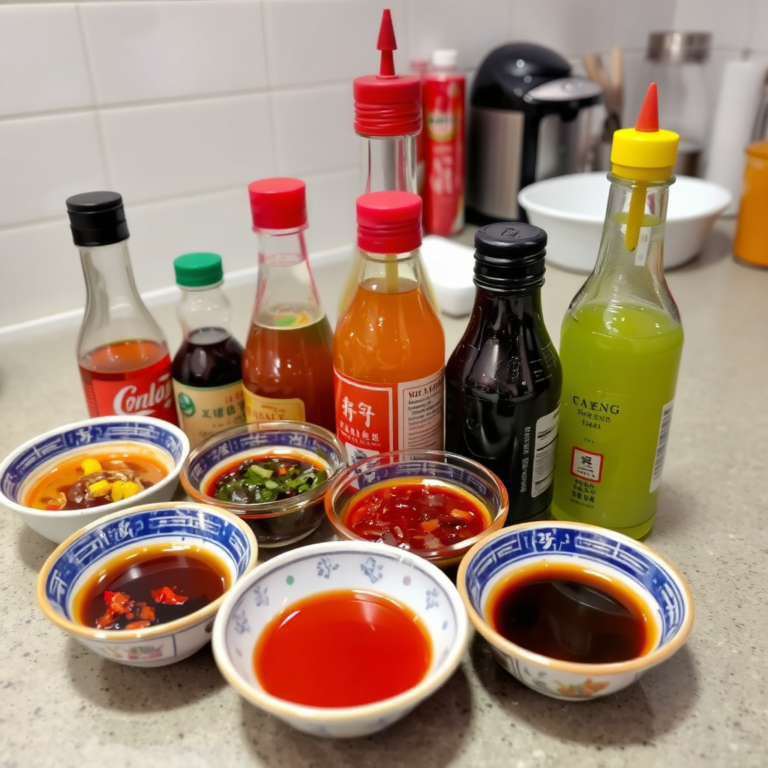
Chili peppers come in many forms in Chinese cooking, including fresh red chilies for bright heat, dried red chilies for deeper, smoky spice, and chili oil which infuses dishes with both heat and aroma. Chili oil made with ingredients like garlic and star anise is a fundamental component to many spicy dishes.
Using chili oil instead of fresh peppers can distribute heat more evenly and add a complex flavor base. The quality and type of chilies chosen impact the final heat intensity, so authentic dishes often use locally sourced varieties.
- Fresh chilies offer sharp heat
- Dried chilies provide smoky warmth
- Chili oil blends heat with aroma
For more on this, see our related guide: Gluten Free Chinese Food Options: Delicious Dishes You Can Enjoy Safely.
Sichuan Peppercorns and Aromatics
Sichuan peppercorns create the distinctive numbing effect associated with Sichuan spicy dishes. Their citrusy aroma complements chili heat and enhances taste complexity. They are often toasted and ground right before use.
Other aromatics include garlic, ginger, star anise, and fermented bean pastes, which all contribute to layering flavors. These enhance the spicy heat without overpowering it, creating signature tastes unique to Chinese spicy cuisine.
- Sichuan peppercorns add numbing sensation
- Toasted for fresher flavor impact
- Aromatics balance and deepen spicy heat
Popular Spicy Chinese Dishes and How They Differ

Mapo Tofu and Chongqing Chicken
Mapo Tofu features soft tofu cubes in a vibrant chili and bean paste sauce, combining heat and numbing peppercorns. Chongqing Chicken is famous for its crispy fried chicken pieces tossed generously in dried chili peppers and peppercorns, emphasizing crunch and fiery spice.
Both dishes showcase Sichuan’s signature flavor profile but differ in textures and emphasis. Mapo Tofu is saucier and comforting, whereas Chongqing Chicken focuses on intense dry heat and crunch.
Spicy Hot Pot and Hunan Braised Pork
Spicy hot pot uses a rich broth infused with chili, peppercorns, and aromatics where diners cook meats and vegetables themselves. This interactive eating style highlights versatile heat levels based on choice of broth and dipping sauces.
Hunan Braised Pork balances fiery chili with rich pork fat and layered seasonings. The dish is heavier and thicker, using sauces that concentrate spice alongside umami for a bold but rich experience.
How to Adjust Spice Level When Ordering or Cooking
Communicating Your Heat Preference When Ordering
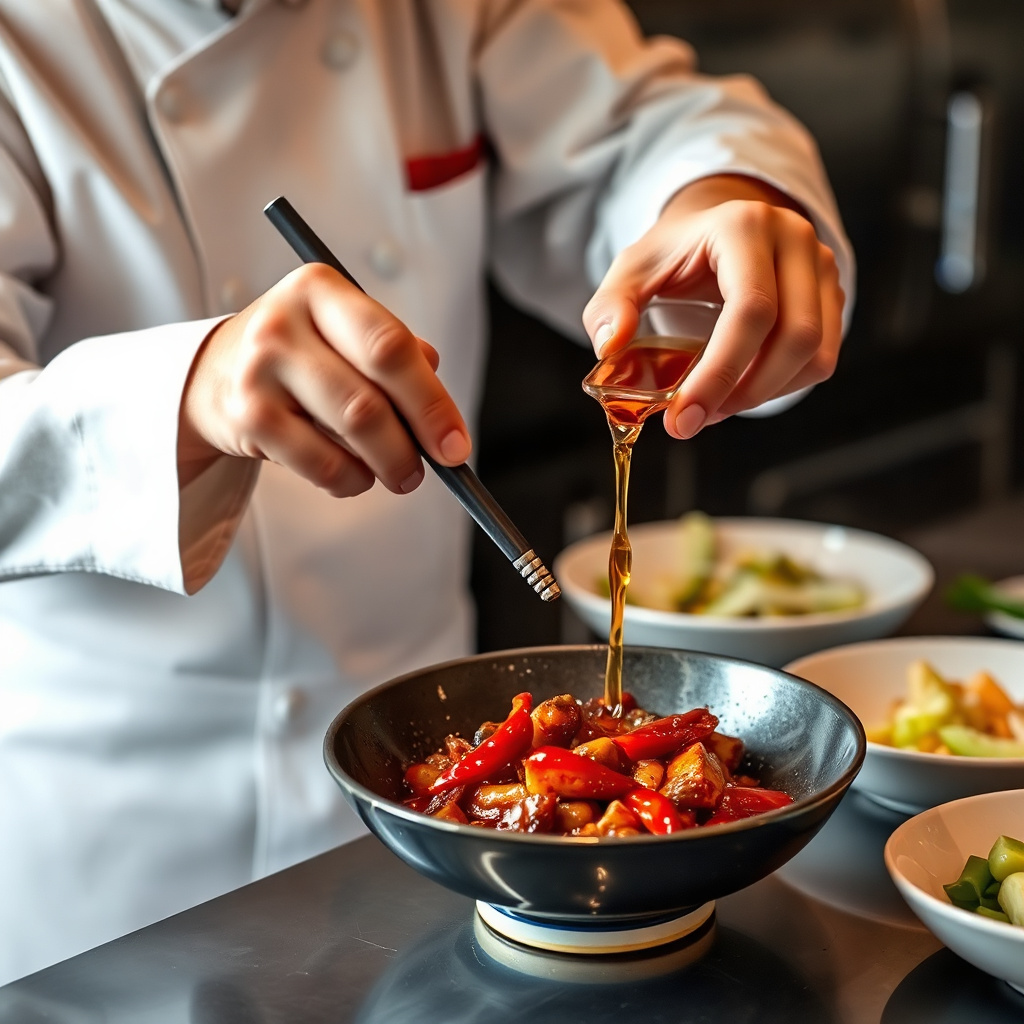
Many Chinese restaurants offer options to adjust spice level. Start with asking for medium heat if you’re unfamiliar, then increase if comfortable. Indicate specific ingredients to exclude like extra chili oil or peppercorns if you want less numbing effect.
You can also request separate chili oil or chili flakes on the side. This allows tasting and adding spice gradually, preventing overwhelming heat without losing key flavors in spicy Chinese dishes.
- Ask for heat level options in advance
- Request chili condiments separately
- Specify preferences for peppercorns
For more on this, see our related guide: Exploring Authentic Vegetarian Chinese Dishes for Every Meal.
Modifying Recipes When Cooking at Home
When cooking spicy Chinese dishes, control the heat by varying the amount and type of chilies used. Substitute fresh peppers for dried to reduce intensity or tone down Sichuan peppercorn quantity to lessen numbness. Use chili oil sparingly to maintain flavor balance.
Experiment with timing such as adding chilies earlier for deep infusion or late for sharp heat impact. Incorporating cooling elements like tofu or vegetables also balances spiciness while preserving authentic taste.
- Adjust chili quantity and form
- Control Sichuan peppercorn use
- Add cooling ingredients to balance spice
Pairing Drinks and Sides with Spicy Chinese Dishes

Cooling Drinks to Offset Heat
Pairing spicy Chinese dishes with drinks that soothe the palate enhances enjoyment. Popular choices include cold jasmine tea, barley water, or lightly sweetened beverages. Dairy-based drinks like milk or yogurt can reduce heat but are less common in traditional Chinese dining.
Avoid carbonated drinks and alcohol as they can intensify heat perception. Herbal teas with mild bitterness can also complement spicy flavors by cleansing the palate between bites.
- Jasmine tea or barley water
- Lightly sweetened cold drinks
- Avoid carbonated and alcoholic beverages
For an in-depth look at one of the most famous spicy Chinese culinary traditions, see the Sichuan cuisine article. Sichuan cuisine.
Side Dishes to Balance Spicy Heat
Mild vegetable sides like stir-fried bok choy, steamed rice, or cucumber salads provide contrast to fiery main dishes. These sides help to absorb some of the heat and add freshness to the meal.
Pickled vegetables or simple egg dishes also work well, balancing spice with acidity or richness. Serving dishes with varying textures adds interest and offers relief from consistent heat during the meal.
- Steamed rice or plain noodles
- Cucumber salad or pickled vegetables
- Mild stir-fried greens or eggs
Spicy Chinese Dishes Category Comparison
This table summarizes popular categories of spicy Chinese dishes by heat intensity, flavor profile, and common ingredients.
| Category | Heat Level | Flavor Notes | Typical Ingredients |
|---|---|---|---|
| Sichuan Numbing Spicy | Medium to High | Spicy with numbing citrusy peppercorn | Chili oil, Sichuan peppercorns, fermented bean paste |
| Hunan Fiery Spicy | High | Straightforward fiery and pungent | Fresh dried chili, garlic, smoked chili paste |
| Spicy Hot Pot | Variable | Customizable heat in broth | Chili, peppercorns, aromatics, various meats and vegetables |
| Braised Spicy Pork | Medium | Rich, spicy, slightly sweet | Chilies, pork fat, soy sauce, sugar |
| Dry Fried Chili Dishes | High | Dry, intensely spicy and textured | Dried chili peppers, garlic, ginger, meat or tofu |
Frequently Asked Questions
What makes Sichuan spicy dishes different from other spicy Chinese dishes?
Sichuan spicy dishes are unique because they combine chili heat with the numbing sensation of Sichuan peppercorns, creating a complex flavor experience that balances heat and tingling on the palate.
Can I adjust the heat level in spicy Chinese dishes when dining out?
Yes, many restaurants allow you to specify spice levels. You can ask for mild, medium, or extra spicy, and sometimes request that chili oil or peppercorns be served on the side to control heat more precisely.
Are spicy Chinese dishes always very oily?
Not always. While some dishes use chili oil as a key ingredient, others may use fresh chilies or dry fry ingredients, resulting in less oily but still spicy dishes. Oil helps carry heat but can be adjusted in recipes.
What drink best complements spicy Chinese food?
Cooling drinks like cold jasmine tea or barley water are excellent choices. They soothe the palate and balance the heat without enhancing it, unlike carbonated or alcoholic drinks which can intensify spiciness.
Is cooking spicy Chinese dishes difficult for beginners?
With attention to ingredient amounts and spice types, cooking spicy Chinese dishes can be approachable. Start with milder chili quantities and learn to balance heat with aromatics like garlic and ginger for great flavor.
Key Takeaways
- Sichuan and Hunan cuisines offer distinct types of spicy heat and flavor.
- Key ingredients include chili peppers, chili oil, and Sichuan peppercorns.
- Adjust heat levels easily by modifying chili quantities or ordering preferences.
- Cooling drinks and mild sides balance spicy Chinese dishes well.
Conclusion
Choosing the right spicy Chinese dishes involves understanding regional spice styles and key ingredients that shape their heat and flavor profiles. Whether it’s the numbing heat of Sichuan cuisine or the bold chili-forward punch of Hunan dishes, identifying these characteristics helps you find meals that match your taste. Balancing intensity with aromatics creates a sophisticated spiciness that appeals beyond pure heat alone.
For those new to spicy Chinese food, starting with dishes like Mapo Tofu or milder spicy hot pots provides a flavorful introduction without overwhelming the palate. Fans of bold heat can try dry-fried chili preparations or classic Hunan braised pork for an intense experience. Adjusting spice when ordering or cooking at home ensures you control your enjoyment level while experiencing authentic flavors.
The next step is to explore these spicy Chinese options gradually, pairing them with cooling drinks and simple sides to enhance enjoyment. Experimenting with ingredients like chili oil and Sichuan peppercorns will deepen your appreciation for these dynamic dishes. By taking these steps, you open the door to a rich culinary tradition full of layers of heat and taste.