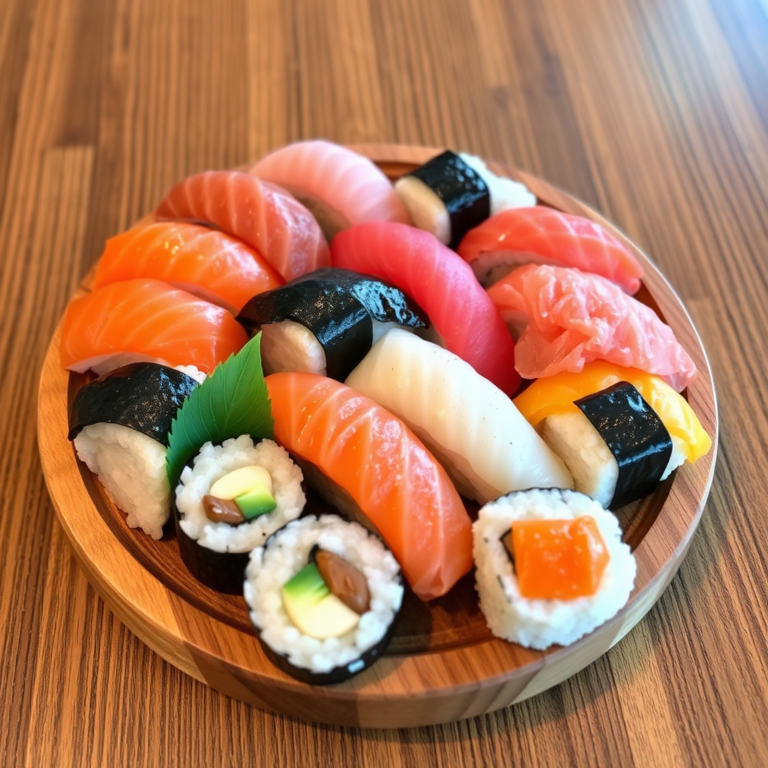
What to Order at a Sushi Restaurant: A Beginner’s Guide to Sushi Choices
When dining at a sushi restaurant, knowing what to order can enhance your meal and make the experience more enjoyable. Start with familiar sushi types such as nigiri, sashimi, or classic rolls like California or spicy tuna, as these provide a good balance of flavors and textures. Ordering a variety of items, including different seafood and vegetable options, will give you a well-rounded taste of Japanese cuisine.
The reason knowing what to order matters is because sushi is incredibly diverse—ranging from raw fish to cooked ingredients—and each piece offers unique textures and flavors. Beginners sometimes feel overwhelmed by the extensive menus, but choosing wisely can transform a simple meal into an exploration of Japanese culinary artistry. Additionally, understanding sushi etiquette and common combinations helps avoid confusion or misunderstandings when ordering.
This article will guide you through popular sushi dish categories, how to pick sushi based on taste preferences, and what lesser-known options deserve a try. You’ll also find tips on enhancing sushi enjoyment, pairing recommendations, and suggestions tailored for both new and experienced sushi diners.
Types of Sushi You Should Order

Nigiri and Sashimi: The Essentials
Nigiri consists of a slice of fish or seafood placed atop a small ball of vinegared rice. Popular options include salmon, tuna, and shrimp. These highlight the quality and freshness of the seafood while letting its natural flavor shine through.
Sashimi is thinly sliced raw fish or seafood served without rice, offering a purer taste of the ingredient. Ordering sashimi is ideal for those wanting a light, unadulterated flavor experience and showcases the chef's knife skills and the seafood’s quality.
- Salmon nigiri – buttery and mild
- Tuna sashimi – firm and meaty texture
- Ebi (shrimp) nigiri – cooked, sweet flavor
Maki Rolls: Classic and Creative
Maki rolls are sushi made by rolling fish, vegetables, and rice in seaweed sheets. Standard choices like California rolls (crab, avocado, cucumber) or spicy tuna rolls are good for debuting sushi, offering familiar flavors with mild spice or crunch.
For adventurous eaters, specialty rolls combine various ingredients like tempura flakes, spicy sauces, and unique fish varieties. These often provide exciting taste contrasts but can stray far from traditional sushi’s simplicity.
- California roll – a beginner favorite
- Spicy tuna roll – adds heat and texture
- Dragon roll – eel and avocado with sauce
How to Choose Sushi Based on Taste Preferences

For Mild and Fresh Flavors
If you prefer gentle flavors, opt for sushi with milder fish such as salmon or yellowtail, both known for their smooth taste and soft texture. Rolls containing cucumber or avocado bring refreshing notes without overwhelming the palate.
Vegetable rolls and cooked options like eel or crab also cater well to those avoiding strong raw fish flavors while still offering a satisfying sushi experience.
- Salmon nigiri
- Avocado cucumber rolls
- Cooked eel nigiri
For Bold and Spicy Profiles
Spicy tuna or spicy salmon rolls with hot sauce and crunchy tempura bits deliver a pleasing kick. Stronger fish like mackerel or octopus provide more intense flavors and chewy textures adored by seasoned sushi eaters.
Adding ginger and wasabi enhances the punchiness without overpowering the sushi’s base taste, balancing richness and spice.
- Spicy tuna roll
- Mackerel nigiri
- Octopus sashimi
Pairing Sushi with Sides and Condiments

Traditional Condiments You Should Know
Soy sauce is the most common dipping sauce to add saltiness and umami. Use it sparingly to avoid overwhelming the fish. Wasabi offers spiciness and enhances the sushi’s freshness, best applied lightly on the fish or mixed into the soy sauce.
Pickled ginger serves as a palate cleanser between bites, allowing each sushi piece to be appreciated individually. Never eat it combined with sushi, but between different types.
- Light soy sauce dipping
- Small dab of wasabi
- Pickled ginger between bites
For more on this, see our related guide: Mastering Sushi Etiquette: How to Enjoy Sushi Like a Pro.
Complementary Side Dishes
Miso soup is a classic starter commonly served to prepare the palate with warm, umami-rich broth. Edamame provides a salty, protein-packed snack that refreshes between sushi bites.
Seaweed salad adds texture and a fresh, tangy flavor, rounding out a well-balanced meal without competing with the sushi’s delicate taste.
- Miso soup
- Steamed edamame
- Seaweed salad
Ordering Sushi for Groups and Sharing

Building an Assorted Sushi Platter
When dining with others, ordering a mixed sushi platter is an excellent choice. These usually combine nigiri, sashimi, and multiple roll styles, offering everyone diverse flavors to try. This approach caters to varied tastes and encourages sharing.
Platter sizes vary, so matching the portion with group size avoids wastage. Look for sets labeled as small, medium, or large to fit your party and appetite.
- Combination of nigiri and rolls
- Sashimi selection included
- Different portion sizes available
Communicating Your Preferences When Ordering
Inform the server about any dietary restrictions such as allergies to shellfish or preferences for cooked items. This helps tailor the sushi experience and avoids unwanted surprises.
Mention if you want milder options or prefer bold flavors so the chef can recommend appropriate dishes, enhancing satisfaction for everyone.
- Notify about allergies
- Request flavor preferences
- Ask for chef recommendations
Understanding Sushi Etiquette When Ordering
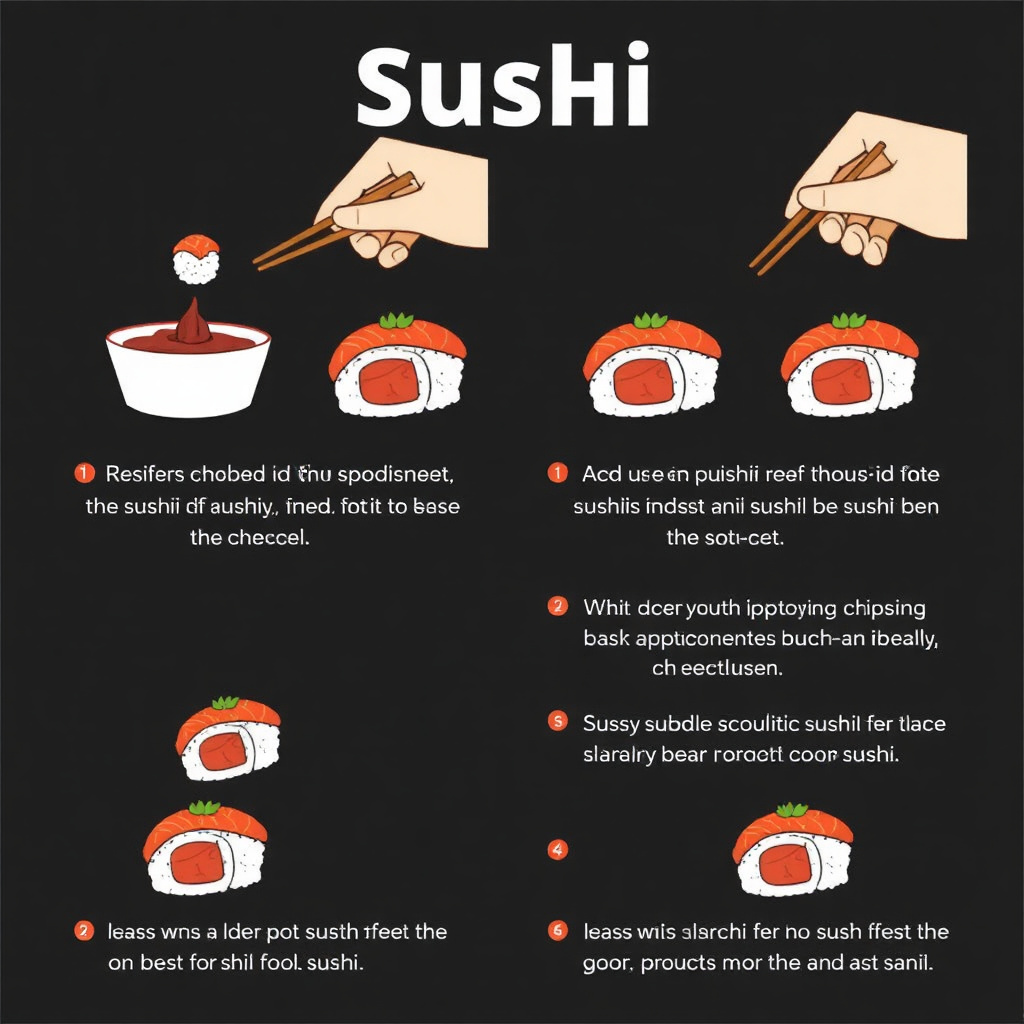
Proper Sushi Eating Techniques
Gently dip the fish side of nigiri into soy sauce rather than the rice side to keep rice from falling apart and maintain texture. Using chopsticks or fingers is acceptable, but fingers are often preferred for nigiri and maki rolls.
Start with lighter-flavored fish and gradually move to richer-tasting pieces to appreciate each flavor transition. Cleanse your palate with pickled ginger between different sushi types.
- Dip fish, not rice, into soy sauce
- Use fingers or chopsticks for nigiri
- Eat lighter fish before richer kinds
For more on this, see our related guide: How to Make and Choose Vegetarian Sushi Rolls for Every Taste.
Ordering Pace and Quantities
Rather than ordering too many pieces at once, order in rounds, allowing sushi to be served fresh and enjoyed warm. This pacing provides a better experience and helps prevent food waste.
For first-timers, ordering 6-8 pieces initially is a reasonable quantity, then adding more if still hungry. This keeps the meal balanced and prevents overwhelming flavors.
- Order in small rounds
- Start with 6-8 pieces
- Avoid over-ordering to prevent waste
Exploring Unique and Seasonal Sushi Options

Seasonal Fish and Local Specialties
Sushi restaurants often feature seasonal fish like yellowtail in winter or sea urchin in summer, providing the freshest and most flavorful options at different times of the year. These seasonal choices are usually highlighted on the menu or recommended by the sushi chef.
Trying local specialty rolls or regional variations expands your sushi knowledge and introduces you to Japan’s rich culinary traditions.
- Winter yellowtail nigiri
- Summer sea urchin sashimi
- Regional specialty rolls
For a detailed overview of sushi varieties and history, see Sushi on Wikipedia. Sushi on Wikipedia.
Unusual Sushi Ingredients to Try
For an adventurous palate, options like fatty tuna (otoro), squid, or even eel provide distinct tastes and textures uncommon in standard rolls. These ingredients often have an acquired flavor but are beloved by experienced sushi lovers.
Vegetable-based sushi such as shiitake mushroom or pickled radish rolls appeal to those seeking vegetarian sushi without sacrificing depth of flavor.
- Otoro (fatty tuna)
- Ika (squid) sushi
- Vegetable rolls like shiitake
Sushi Types Comparison for Ordering
Here’s a quick comparison of common sushi types to help you decide which to order based on flavor, texture, and beginner-friendly appeal.
| Sushi Type | Flavor Profile | Texture | Ideal for Beginners |
|---|---|---|---|
| Nigiri | Mild to savory, fish-focused | Soft rice with tender fish | Yes |
| Sashimi | Pure fish flavor | Tender, no rice | Medium |
| Maki Rolls | Varied, often mild and creamy | Varies between soft and crunchy | Yes |
| Specialty Rolls | Complex, spicy or sweet | Varied with added textures | No |
| Vegetable Rolls | Fresh and mild | Crunchy or soft | Yes |
Frequently Asked Questions
What sushi should I order if I don't like raw fish?
Try cooked sushi options like eel nigiri, shrimp nigiri, or tempura rolls. Vegetable rolls and avocado-based maki are also delicious alternatives that do not contain raw fish.
How many sushi pieces should I order for my first time?
Start with about 6 to 8 pieces to get a variety of flavors without overwhelming yourself. You can always order more based on your appetite and preferences.
Is it okay to mix wasabi with soy sauce?
Traditionally wasabi is applied directly to the sushi without mixing it into soy sauce. However, mixing is common in some Western sushi restaurants and depends on your taste preference.
What is the difference between nigiri and sashimi?
Nigiri is fish or seafood served on a small mound of vinegared rice, while sashimi is slices of raw fish served by itself without rice.
What should I drink with sushi?
Popular pairings include sake, green tea, or light beers. These drinks complement the delicate flavors of sushi without overpowering them.
Key Takeaways
- Start with mild and familiar sushi types like nigiri and classic rolls.
- Choose sushi based on your flavor and texture preferences to enhance enjoyment.
- Use traditional condiments like soy sauce, wasabi, and pickled ginger correctly.
- Order sushi in small rounds, especially when dining for the first time or in groups.
Conclusion
Deciding what to order at a sushi restaurant centers on understanding your taste preferences and the wide variety of sushi types available. Identifying whether you prefer milder or bolder flavors guides your selection from nigiri, maki rolls, sashimi, and specialty dishes. Paying attention to sushi etiquette and pacing your orders ensures the best culinary experience. Remember, sushi is not just food but an art form crafted around freshness and balance.
Practical recommendations include starting with the best sushi rolls for beginners such as California and spicy tuna rolls if you want a familiar taste. For those comfortable trying raw fish, nigiri options like salmon and tuna showcase classic flavors, while sashimi offers an unadulterated seafood experience. If dining in a group, consider ordering assorted sushi platters to sample multiple varieties. Use condiments thoughtfully to support rather than overpower the natural flavor.
The next time you visit a sushi restaurant, take advantage of server recommendations and seasonal specials. Experiment with a few unique choices like fatty tuna or vegetable rolls to broaden your palate. With these insights, you’ll confidently navigate menus and enjoy sushi’s rich diversity, turning your meal into an engaging and satisfying experience.