What Is Teriyaki? Understanding the Flavor and Uses of Teriyaki Sauce
Teriyaki is a popular Japanese cooking technique and flavor profile characterized primarily by a sweet and savory glaze or sauce made from soy sauce, mirin (sweet rice wine), sugar, and sometimes ginger or garlic. The term 'teriyaki' refers to the method of grilling or broiling foods glazed with this sauce, creating a shiny, flavorful coating.
This cooking style enhances the taste and appearance of meats, seafood, and vegetables by caramelizing the sugars in the sauce during cooking. Teriyaki occupies a significant place in Japanese cuisine and has been widely adopted worldwide due to its well-balanced taste that combines umami with sweetness.
This article will explore the origins of teriyaki, the ingredients that define its flavor, common dishes that use teriyaki sauce, how to prepare authentic teriyaki sauce, and tips for cooking with it to achieve the best results.
The Origins and History of Teriyaki
Historical Roots of Teriyaki
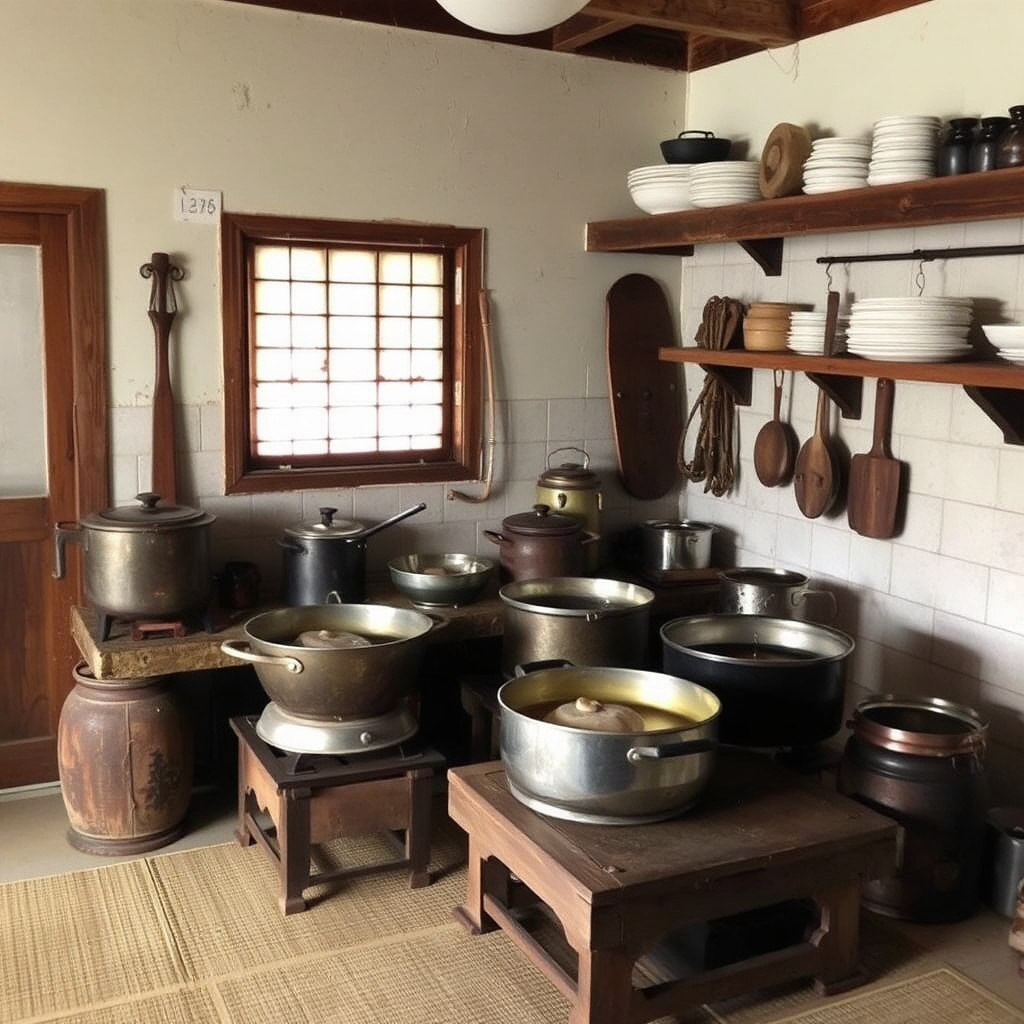
Teriyaki originated in Japan and has been a traditional cooking method for centuries. The term is derived from 'teri,' meaning glaze or shine, and 'yaki,' meaning grill or broil. Early recipes incorporated local ingredients like soy sauce and mirin to create a glossy coating on fish or meat.
Originally, teriyaki was mostly used to prepare fish such as mackerel or yellowtail. Over time, it expanded to include a wider range of proteins and vegetables, gaining popularity both in Japan and abroad.
Teriyaki’s Global Adaptation
Teriyaki style reached Western countries in the mid-20th century, especially in the United States where it became a staple in Japanese-American cuisine. This adaptation often includes additional sweeteners like honey or brown sugar and ingredients such as garlic and ginger to suit different palates.
The term 'teriyaki sauce' today often refers to bottled sauces available commercially, which vary in quality and flavor but maintain the core sweet-savory profile.
Key Ingredients and Flavor Profile of Teriyaki Sauce

Primary Ingredients
Traditional teriyaki sauce consists of soy sauce, mirin, and sugar. Soy sauce provides the salty umami base, mirin adds sweet acidity and depth, and sugar balances these with sweetness. Some recipes incorporate sake to contribute subtle complexity.
Fresh ingredients like garlic, ginger, and sometimes scallions may be added for aromatic notes, but the essential profile remains simple and balanced.
- Soy sauce – salty and umami-rich
- Mirin – sweet rice wine
- Sugar – sweetness and caramelization
Flavor Characteristics
Teriyaki sauce is known for its glossy, sticky texture and a harmonious blend of flavors — sweet, salty, and a slight tang from mirin. This combination enhances the natural flavors of the food it coats, intensifying its savory taste without overpowering it.
When cooked, the sugars caramelize, producing a shiny glaze and a touch of smokiness on grilled or broiled dishes.
Common Dishes Made with Teriyaki Sauce

Popular Protein Choices
Chicken teriyaki is arguably the most recognized and widely enjoyed dish using teriyaki sauce. Beef, salmon, and tofu are also commonly prepared this way, each absorbing the sauce’s complex flavors differently.
The sauce can be brushed on meats during grilling or used as a dipping sauce, allowing versatile preparation both in home kitchens and restaurants.
- Chicken teriyaki
- Beef teriyaki
- Salmon teriyaki
- Tofu teriyaki
For more on this, see our related guide: What Is Eel Sauce? Understanding This Essential Japanese Condiment.
Vegetable and Side Dish Uses
Vegetables like bell peppers, mushrooms, onions, and broccoli can be stir-fried or grilled with teriyaki sauce for a flavorful plant-based option. Additionally, teriyaki sauce enhances rice bowls, noodles, and salads.
In Japanese cuisine, teriyaki complements steamed rice and pickled vegetables, providing a balanced meal with various textures and tastes.
How to Make Authentic Teriyaki Sauce

Basic Teriyaki Sauce Recipe
To make teriyaki sauce from scratch, combine soy sauce, mirin, and sugar in a small saucepan and heat gently until the sugar dissolves, then let it reduce slightly to thicken. This creates the classic sweet-savory glaze fundamental to teriyaki dishes.
Adjusting the ratio of ingredients can tailor the sweetness or saltiness to your taste, allowing more control than commercial sauces.
- 1/2 cup soy sauce
- 1/4 cup mirin
- 2 tablespoons sugar
Enhancements and Variations
Adding grated ginger or minced garlic while simmering adds aromatic depth. Some cooks include sake for extra complexity or honey instead of sugar for a smoother sweetness.
For a thicker glaze ideal for brushing, add a slurry of cornstarch and water and cook until desired consistency is reached.
Cooking Tips for Using Teriyaki Sauce

Applying Teriyaki Sauce During Cooking
Brush teriyaki sauce onto food during the last few minutes of grilling or broiling to create a glossy finish without burning the sugars. Repeated layers help build a thicker glaze and richer flavor.
Avoid applying too early as sugars may burn, resulting in bitterness. For stir-fries, add the sauce at the end to coat ingredients evenly.
Serving Suggestions
Serve teriyaki-glazed dishes hot with steamed rice and fresh vegetables to balance the richness of the sauce. Garnish with toasted sesame seeds or sliced green onions for texture and color.
Teriyaki dishes pair well with light, refreshing sides such as pickled cucumbers or simple salads to complement the sauce’s sweetness.
Teriyaki Sauce Storage and Shelf Life
Storing Homemade Teriyaki Sauce
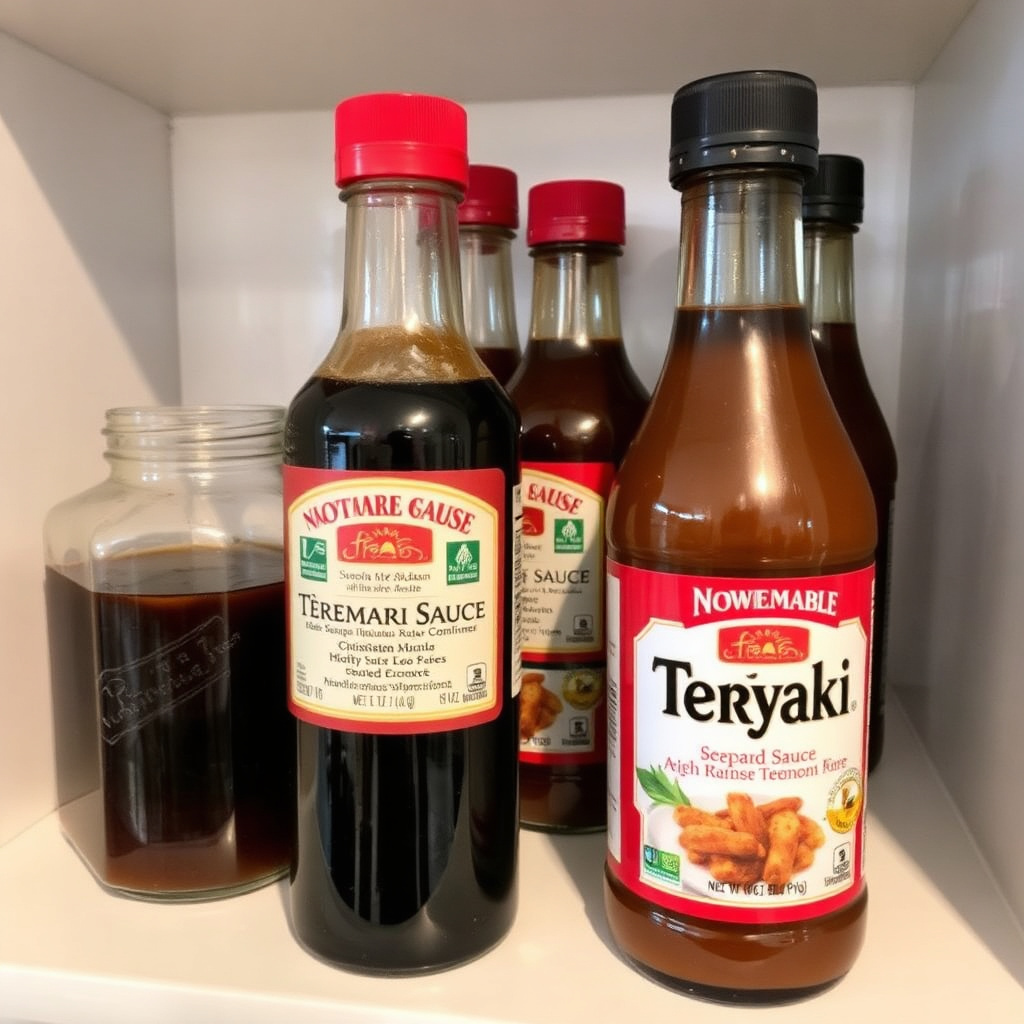
Homemade teriyaki sauce should be stored in a clean, airtight container in the refrigerator and used within one to two weeks for best flavor and safety. Always cool the sauce completely before refrigerating.
If thickened with cornstarch, slight separation may occur; simply stir before use.
For more detailed historical and cultural background, the Wikipedia article on the Teriyaki cooking method offers valuable insights. Teriyaki cooking method.
Using Commercial Teriyaki Sauce
Commercial bottles of teriyaki sauce often contain preservatives allowing longer shelf life and can be stored unopened at room temperature. Once opened, refrigerate and use within several months as directed on the label.
Check the ingredient list to avoid sauces with excessive additives or artificial sweeteners for a more authentic taste.
Teriyaki Sauce Types Comparison
A breakdown of different teriyaki sauce types helps choose the best option for cooking preferences and ingredient quality.
| Type | Flavor Intensity | Ingredient Authenticity | Convenience | Best Use |
|---|---|---|---|---|
| Traditional Homemade | High | Authentic, simple ingredients | Preparation required | Grilling and glazing meats |
| Commercial Bottled | Medium | Varies widely, often with additives | Ready to use | Quick cooking and marinating |
| Low-Sugar/Health-Conscious | Mild | Reduced sugar, organic ingredients | Pre-made or homemade | Health-sensitive diets |
| Teriyaki Marinade Mix | Adjustable | Usually powdered mix with preservatives | Mix with water | Marinating before cooking |
Frequently Asked Questions
What does teriyaki mean?
Teriyaki means 'glaze' or 'shine' (teri) and 'grill' or 'broil' (yaki) in Japanese, referring to a cooking technique that produces a glossy, flavorful coating on foods.
Is teriyaki sauce always sweet?
Teriyaki sauce typically has a balance of sweet and savory flavors, thanks mainly to sugar and mirin, but not all versions are equally sweet.
Can teriyaki sauce be used as a marinade?
Yes, teriyaki sauce makes an excellent marinade, helping tenderize and flavor meats or vegetables before cooking.
Is teriyaki sauce gluten-free?
Traditional teriyaki sauce often uses soy sauce, which contains gluten, but gluten-free soy sauce or tamari can make a gluten-free teriyaki sauce alternative.
How do I thicken teriyaki sauce?
To thicken teriyaki sauce, simmer it until it reduces or add a cornstarch slurry (cornstarch mixed with water) and cook until it reaches the desired thickness.
Key Takeaways
- Teriyaki is a Japanese cooking method using a sweet-savory soy-based glaze.
- Traditional teriyaki sauce includes soy sauce, mirin, and sugar for balanced flavor.
- It is versatile for grilling, marinating, and glazing meats, fish, and vegetables.
- Homemade versions allow flavor customization beyond commercial sauce options.
Conclusion
Understanding what teriyaki is helps appreciate its role as more than just a sauce but as a cooking technique that enhances food’s flavor and appearance through a glossy, caramelized glaze. The balance of sweet, salty, and umami elements is key to its appeal, reflecting the harmony central to Japanese cuisine.
When deciding which teriyaki sauce type to use or make, consider your cooking needs and ingredient preferences. Homemade traditional teriyaki sauce offers the most control over flavor and authenticity, making it ideal for grilled dishes. Commercial sauces or marinade mixes provide quick convenience but vary in quality. For diets sensitive to sugar or gluten, adaptations like low-sugar or gluten-free recipes are available.
For anyone curious about experimenting with teriyaki, starting with a simple homemade sauce made from soy sauce, mirin, and sugar is a great introduction. Applying the sauce carefully during cooking ensures a flavorful, shiny finish. Exploring different proteins and vegetables with teriyaki opens opportunities to enjoy this delicious and culturally rich flavor in many ways.



One Comment